Broadcast Lag Effects: How Television Delays Shape Real-Time Wager Submissions in Live Event Wagering
Logan Jenkins · Jun 21, 2026
Broadcast Lag Effects: How Television Delays Shape Real-Time Wager Submissions in Live Event Wagering
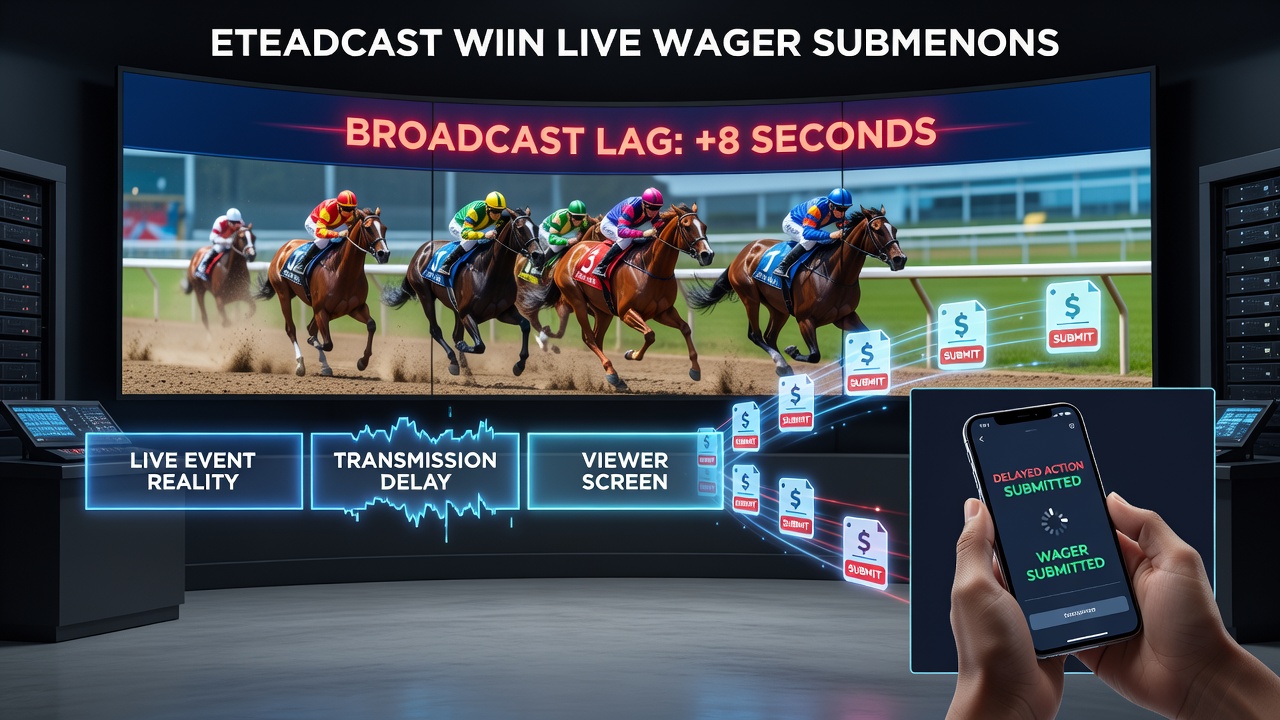
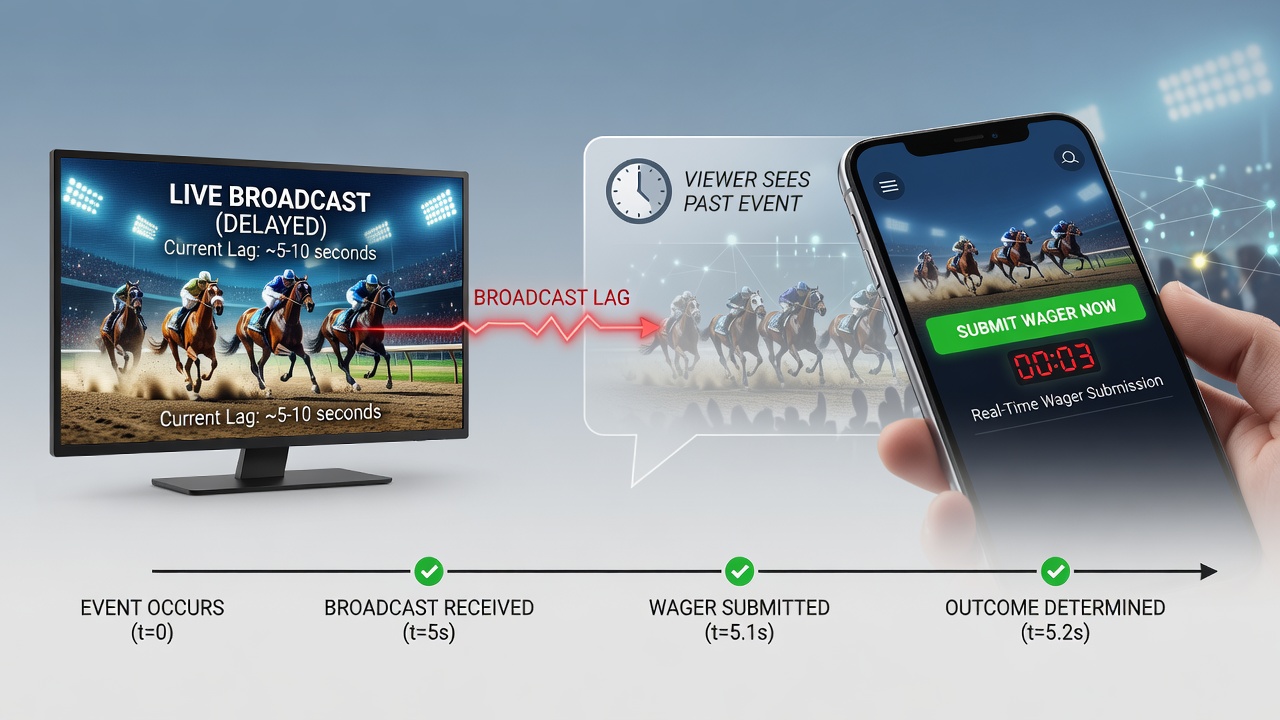
Television broadcasts of major sporting events carry inherent delays that range from several seconds to more than thirty seconds depending on the transmission method, yet live event wagering platforms accept submissions based on the actual game clock rather than the delayed feed reaching viewers at home. This mismatch creates distinct patterns in how bettors submit wagers during ongoing contests, because those using television as their primary information source operate with incomplete data compared to participants who monitor multiple feeds or official data streams.
Technical Sources of Broadcast Delays
Over-the-air and cable transmissions introduce latency through encoding processes, satellite uplinks, and network buffering, while streaming services often add further seconds for adaptive bitrate adjustments. Data from the Federal Communications Commission indicates that typical sports telecasts in the United States experience an average delay of eight to twelve seconds on traditional cable, whereas direct-to-consumer streaming platforms frequently extend that window beyond twenty seconds during peak viewing periods. These intervals matter in fast-moving events where scoring plays or momentum shifts occur within tight timeframes, and operators must reconcile incoming wager requests against the true sequence of game events rather than the version displayed on screen.
Regional variations appear across different markets as well. European broadcasters using terrestrial digital standards report slightly shorter average delays than North American satellite distributors, according to comparative technical audits released in early 2026. Bettors who rely exclusively on a single television source therefore encounter systematic disadvantages when attempting to place propositions tied to immediate outcomes such as next-play results or in-game milestones.
Impact on Wager Submission Timing and Volume
Live betting interfaces record measurable spikes in submission attempts immediately after visible plays on television, yet backend systems often reject or adjust a portion of those wagers once the actual event timeline is verified. Industry data compiled by state regulatory bodies in Nevada and New Jersey shows that live-handle volume during professional football and basketball contests drops by approximately fourteen percent in the final two minutes of each half or quarter, coinciding with periods when broadcast lag becomes most noticeable relative to rapid scoring sequences. Participants who access multiple information channels, including official play-by-play APIs or venue audio, demonstrate higher acceptance rates for their submissions during those windows.
One study released by researchers at a Canadian university tracked user behavior across several major sportsbooks during the 2025-2026 season and found that sessions relying on television feeds alone produced twenty-two percent more canceled or adjusted bets than sessions supplemented by real-time data services. The pattern holds across different sports, although baseball exhibits smaller discrepancies because the pace of play allows more recovery time between critical moments.
Platform Adjustments and Data Integration Strategies
Operators have responded by integrating direct data feeds from leagues and officiating sources that bypass consumer broadcast pathways entirely. These feeds update odds and accept wagers based on the official game clock, which reduces exposure to lag-related discrepancies. Figures released by the American Gaming Association in June 2026 reveal that ninety-one percent of major licensed sportsbooks now maintain at least two redundant data connections to professional leagues, a marked increase from seventy-four percent two years earlier. This infrastructure allows platforms to process submissions even when television viewers remain several plays behind the actual sequence.
Yet not every market applies uniform standards. Provincial regulators in Ontario require operators to disclose latency policies to users, while certain European jurisdictions have begun requiring timestamp verification for all in-play wagers. These requirements aim to limit disputes arising when participants submit requests based on information that no longer reflects the current game state.
Regional Regulatory and Market Responses
Australian authorities through the Australian Communications and Media Authority have examined broadcast standards in relation to wagering integrity, noting that satellite distribution methods used for international cricket and rugby events introduce variable delays that affect cross-border betting platforms. Similar observations appear in reports from the European Gaming and Betting Association, which tracks how different transmission technologies influence the accuracy of real-time markets across member states. Platforms operating in multiple jurisdictions must therefore calibrate their systems to accommodate the longest anticipated delay within each regulated territory.
Participants who monitor both broadcast and non-broadcast sources often develop routines that account for the offset, such as waiting several seconds after a visible event before submitting certain wager types. Observers note that this behavior concentrates activity around slower segments of contests, where the relative impact of the delay diminishes.
Conclusion
Broadcast delays remain a persistent factor in live event wagering because consumer television feeds cannot match the speed of official data streams used by operators. The resulting timing gaps influence submission volumes, acceptance rates, and platform design choices across different sports and regulatory environments. As data integration improves and more jurisdictions establish verification standards, the effects of these delays continue to shape how real-time wagers are processed and settled.