How Augmented Reality Overlays Are Transforming Spectator Interaction with Sports Wagering Options
Zoe Sullivan · Jul 16, 2026
How Augmented Reality Overlays Are Transforming Spectator Interaction with Sports Wagering Options
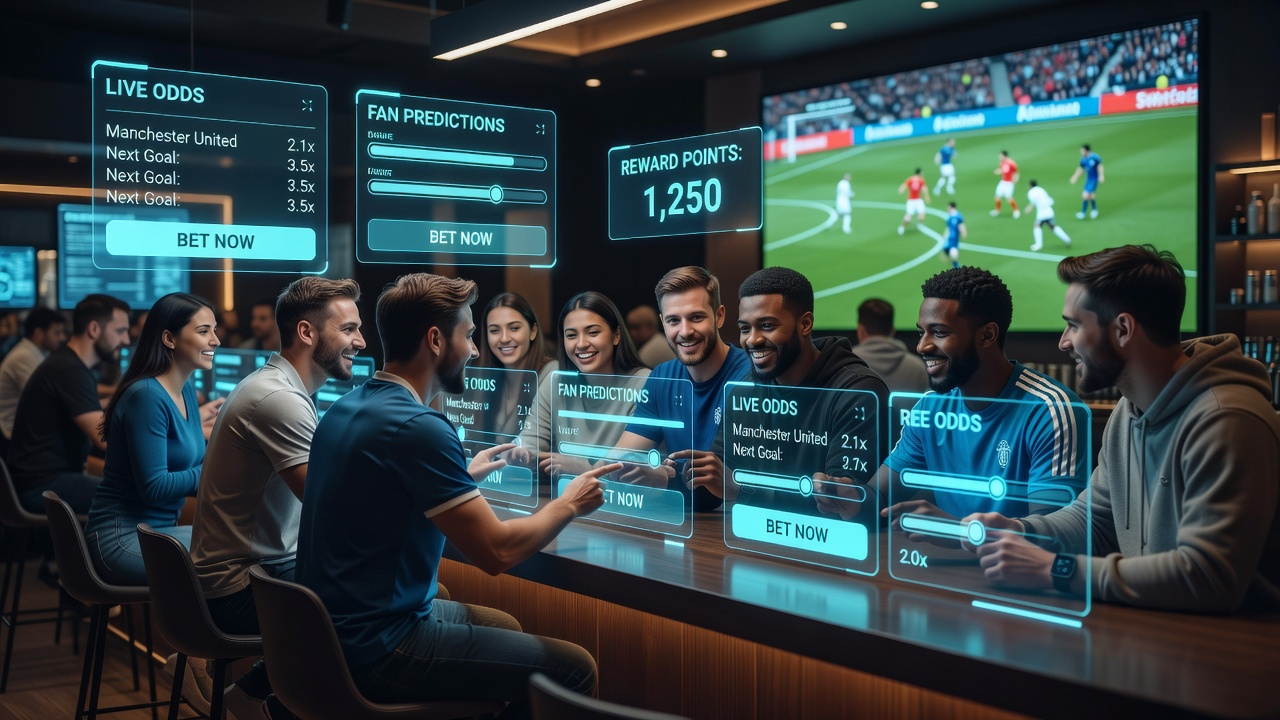
Augmented reality overlays have begun reshaping how spectators engage with sports wagering by placing interactive betting data directly into live event views, and this integration accelerated through mid-2026 as platforms rolled out updated applications for both in-stadium and remote users. Research indicates that AR systems now combine real-time odds, player statistics, and prop bet options with camera feeds from venues, allowing fans to scan a field or court and see contextual wagering information appear without switching between apps or screens.
Developments in July 2026 highlighted several stadium partnerships where operators tested AR headsets and smartphone applications that sync with official league data feeds. Those systems display live lines for upcoming plays while fans remain seated, and the technology relies on precise geolocation to confirm eligibility under state regulations before any wager processes. Data from venue operators shows session lengths extending when users interact with these visual tools because the information stays anchored to the physical action rather than requiring separate navigation.
Core Mechanisms Driving AR Betting Integration
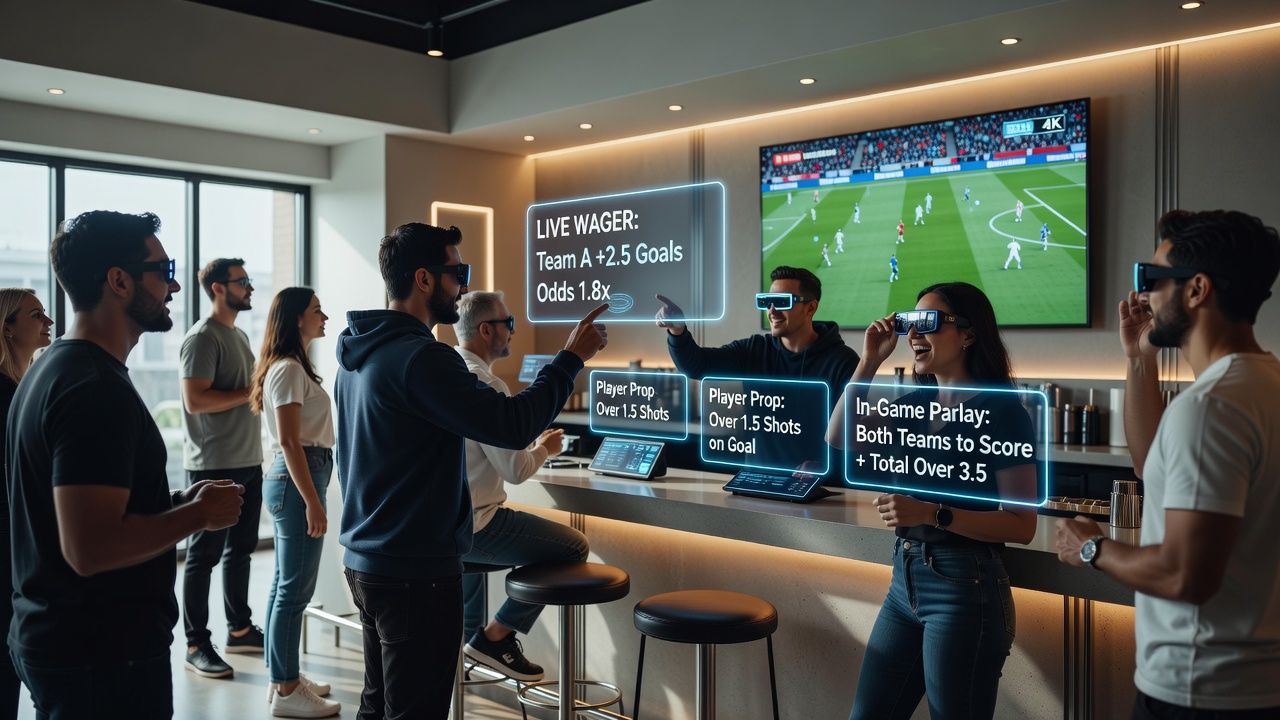
AR overlays function through a combination of computer vision, motion tracking, and secure API connections to sportsbook platforms. When a spectator points a device at the playing surface, software identifies field markers or player positions and layers corresponding betting options such as next-play outcomes or player performance props. Observers note that this approach reduces the time between noticing an opportunity and placing a wager because the interface appears within the same visual field as the event itself.
Multiple leagues have supplied standardized data streams that AR developers access under licensing agreements, and these streams update several times per second to reflect injuries, weather shifts, and line movements. What's interesting is how the same infrastructure supports both mobile phones and dedicated wearable devices, which means operators can reach audiences across different hardware preferences without maintaining separate content versions.
Practical Applications Across Major Sports
In baseball venues, AR applications have mapped pitch-by-pitch betting menus onto the batter's box area so spectators see strike zone probabilities alongside current odds. Football stadiums have tested similar tools that highlight receiver routes and defensive formations while displaying live moneyline adjustments. Soccer matches have incorporated AR elements that follow ball movement and trigger corner or goal-scorer options automatically when the play enters relevant zones.
Case studies from venues that adopted early versions reveal measurable increases in wager frequency during live periods because users receive visual cues tied directly to unfolding events rather than generic notifications. Those who've studied this pattern report that prop bet participation rises notably when the relevant statistics appear as floating labels near the athletes involved.
Regulatory and Infrastructure Considerations
State gaming commissions have begun evaluating AR systems for compliance with responsible gambling standards, particularly around visual prominence of bet options and the need for clear age verification within the augmented view. A report from the American Gaming Association outlines how operators must maintain the same responsible gaming controls whether wagers originate through traditional apps or AR interfaces. European regulators have issued parallel guidance that emphasizes transparency when digital overlays appear during live broadcasts.
Technical requirements include low-latency data transmission and secure encryption so that odds remain accurate and bets process without exposing user information. Network testing at several large venues in 2026 demonstrated that 5G infrastructure supports the necessary speeds for simultaneous AR sessions across thousands of attendees, while fallback systems activate during peak congestion periods.
Emerging Patterns in User Engagement
Analytics platforms tracking AR-enabled wagering sessions indicate that users interact more frequently with micro-prop options because the visual context makes those bets feel immediate. Researchers at several university programs have examined eye-tracking data from test participants and found that attention remains focused on the field longer when betting information integrates directly rather than appearing in separate panels. This pattern holds across different age groups and experience levels with digital wagering.
Operators have responded by adjusting interface density so that only contextually relevant options appear at any moment, which prevents overload while still providing comprehensive access. The reality is that these adjustments require ongoing calibration based on venue layout and sport-specific pacing, yet the underlying AR frameworks remain adaptable across multiple event types.
Conclusion
Augmented reality overlays continue to alter spectator interaction with sports wagering by embedding betting functionality into the live visual experience, adn ongoing deployments through 2026 demonstrate both technical feasibility and regulatory pathways for wider adoption. As data streams improve and hardware becomes more accessible, the same systems are expected to expand into additional sports and international markets while maintaining compliance with regional rules. The infrastructure now in place supports continued refinement without requiring fundamental redesigns of existing sportsbook platforms.