How Blockchain Ledgers Ensure Transparent Payout Calculations Across Wagering Networks
Logan Jenkins · Jun 23, 2026
How Blockchain Ledgers Ensure Transparent Payout Calculations Across Wagering Networks
Blockchain technology has integrated into wagering networks to create verifiable records of every transaction and calculation, and this shift gained momentum through the first half of 2026. Operators now rely on distributed ledgers that store bet details, odds adjustments, and payout formulas in blocks linked chronologically, which prevents retroactive changes once data enters the chain.
Core Components of Blockchain in Payout Systems
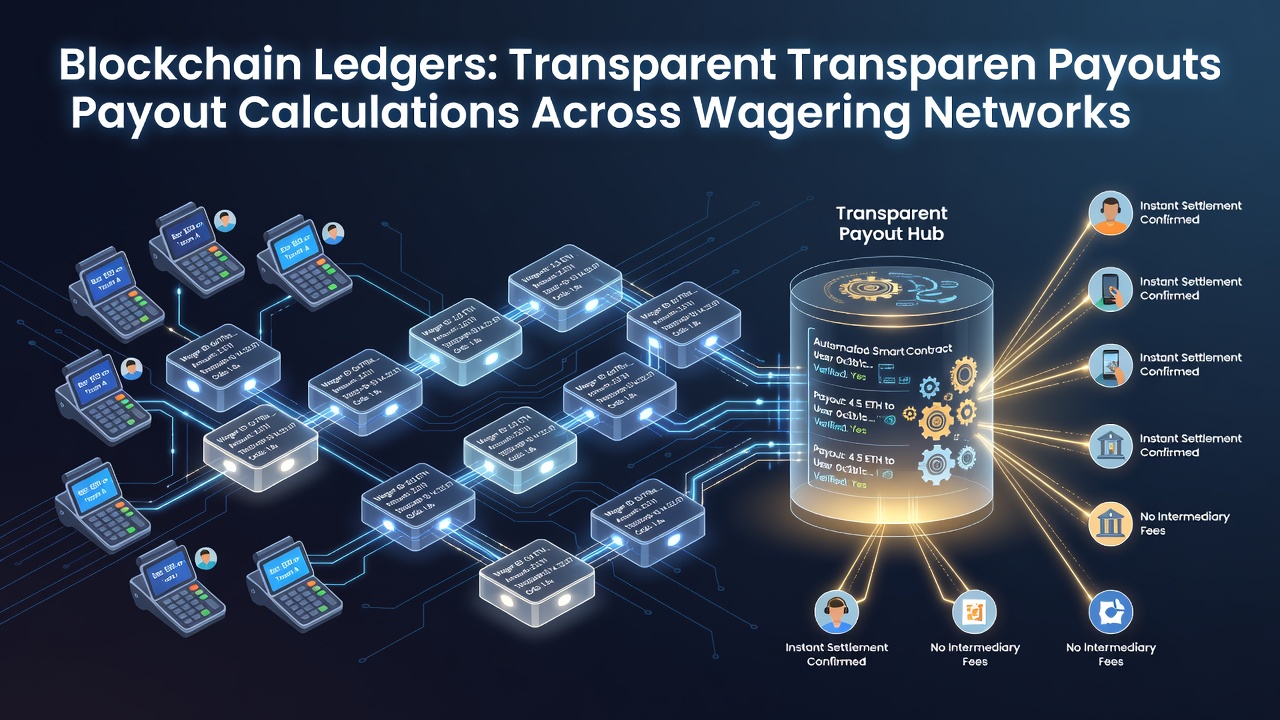
Distributed nodes across the network validate each entry before it joins the permanent record, and this process relies on consensus protocols such as proof of stake or delegated proof of stake. Smart contracts execute the payout logic automatically when predefined conditions like event outcomes or odds thresholds are met, and these contracts pull data from verified oracles that feed real-time results into the system.
Observers note that hashing functions turn bet amounts, participant identifiers, and calculation rules into fixed strings that anyone can audit without revealing sensitive details. As of June 2026, several platforms reported reduced dispute volumes after implementing these contracts because participants access the same immutable data set.
Verification Processes for Transparent Calculations
Each wager generates a unique transaction hash that links to subsequent settlement entries, and network participants run independent verification scripts to confirm that multipliers and deductions match the original terms. When a sporting event concludes, the oracle input triggers the contract to compute winnings based on the stored formula, then distributes funds to the designated wallets without requiring manual intervention from the operator.
Research from the University of Nicosia indicates that such automated flows cut processing times by up to 70 percent in tested environments compared with traditional centralized databases. Multiple nodes cross-check the outcome, and any mismatch triggers an alert across the network rather than allowing a single point of failure to alter results.
Integration with Existing Wagering Infrastructure
Many networks combine public blockchain layers for settlement transparency with permissioned side chains that handle high-volume bet placement, and this hybrid model maintains speed during peak periods while preserving audit trails. Data visualization tools built on top of the ledger allow users to trace a single wager from placement through final payout, and regulators in several jurisdictions now request these audit logs during compliance reviews.

Operators connect their risk management engines to these ledgers so that dynamic odds updates also become part of the immutable record, and this linkage reduces the chance of discrepancies between displayed odds and actual settlement amounts. In Australia, the Australian Communications and Media Authority has examined how such records support consumer protection requirements without mandating full public disclosure of every bet.
Security Measures and Audit Capabilities
Encryption standards protect wallet addresses while still allowing aggregate payout statistics to be published for oversight, and zero-knowledge proofs enable verification that calculations followed the rules without exposing individual bettor information. Periodic network upgrades have introduced additional layers such as multi-signature requirements for large payouts, and these features became standard across several major platforms by mid-2026.
Those who monitor the sector report that forensic teams now reconstruct entire payout sequences from the ledger in minutes rather than days, and this speed supports both regulatory inquiries and internal reconciliation processes. The same structure also limits opportunities for internal manipulation because any change would require control of a majority of validating nodes.
Conclusion
Blockchain ledgers deliver consistent, verifiable payout calculations by embedding rules in executable code and distributing validation across independent nodes. The approach has expanded in wagering networks through June 2026, supported by improved oracle reliability and regulatory acceptance of distributed audit trails. Continued development focuses on scaling these systems to handle higher transaction volumes while preserving the transparency that distinguishes them from earlier centralized models.