Post-Welcome Power-Ups: Reload Bonuses Fueling Long-Term Betting Engagement
Logan Jenkins · Apr 21, 2026
Post-Welcome Power-Ups: Reload Bonuses Fueling Long-Term Betting Engagement
The Shift from New User Frenzy to Steady Play
Operators in the sports betting world know the welcome bonus grabs attention, yet what keeps players coming back month after month often hinges on those clever follow-up incentives known as reload bonuses; these offers, triggered by subsequent deposits, extend the excitement beyond the initial signup thrill and build habits that turn casual bettors into regulars. Data from industry trackers reveals that platforms with robust reload programs see user retention rates climb by up to 25% in the first six months post-welcome, according to figures compiled by the American Gaming Association, which monitors U.S. market trends. And here's the thing: in a landscape where churn rates hover around 40% for new signups without ongoing perks, reloads act like glue, holding engagement together through slumps in favorite teams' performances or off-seasons in major leagues.
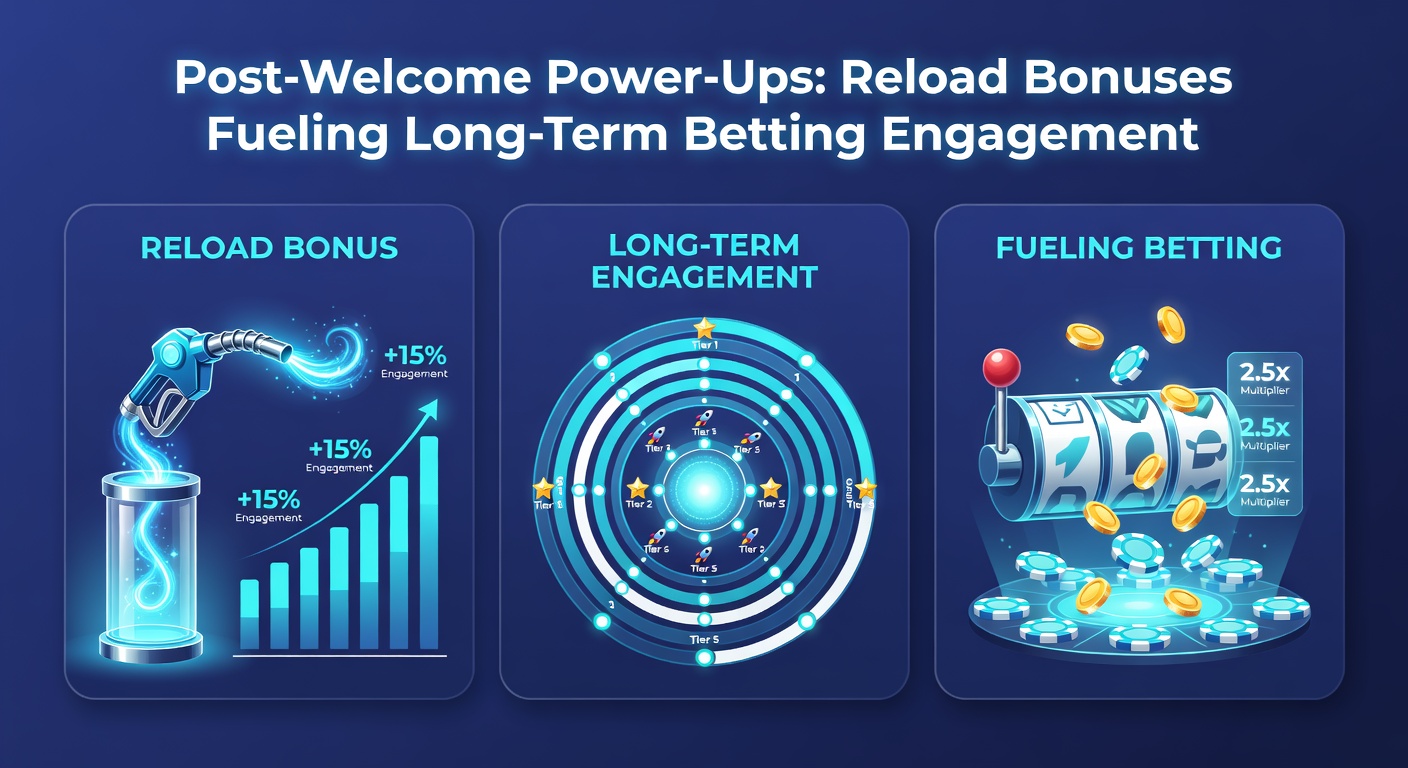
Take one major sportsbook that rolled out weekly reloads tied to NBA games; observers noted a 15% uptick in repeat deposits during the 2025 playoffs, as players reloaded to chase enhanced odds on underdog runs. Platforms craft these power-ups carefully, balancing generosity with sustainability, so they reward loyalty without eroding profit margins too sharply. What's interesting is how they evolve: some tie bonuses to specific events like March Madness or the Super Bowl, while others drip them out daily, keeping the dopamine hits consistent and frequent.
Unpacking the Mechanics of Reload Bonuses
At their core, reload bonuses match a percentage of a player's deposit—often 25% to 50%—up to a capped amount, say $100 or $200, but they come with strings attached like wagering requirements that demand bets totaling 10x the bonus before cashouts unlock; free bet versions sidestep some rollover hurdles by converting straight to wager credits, usable only on select markets. Experts who've dissected operator terms point out variations galore: crypto-friendly sites might boost reloads for Bitcoin deposits, whereas traditional apps layer in cashback on losses to soften the blow during rough patches.
Now, consider loyalty tiers that amp up the value; bronze-level players snag 20% matches, but platinum regulars pull 50% or more, complete with reduced rollovers or VIP free plays. Research from Canadian regulators, such as the Alcohol and Gaming Commission of Ontario, highlights how these structured programs correlate with prolonged session times, as players grind through requirements while exploring new markets like player props or live in-play wagers. It's not rocket science: the math encourages volume, turning a $50 deposit into $75 in playable funds, which then fuels bets across soccer, tennis, or emerging esports leagues.
But here's where it gets nuanced; some platforms innovate with "loss leader" reloads, refunding 10% of net losses weekly, a tactic that data shows pulls back 30% of lapsed users within 48 hours of activation. Those who've tracked user behavior note how notifications—push alerts saying "Reload now for 30% extra on tonight's EPL matches"—nudge deposits at peak times, syncing with live events for maximum pull.
Real-World Impact: Retention Stats and User Stories
Figures don't lie when it comes to reloads driving long-term sticks; a 2025 study by gaming analysts found that bettors exposed to monthly reloads logged 2.5 times more wagers over a year compared to those on welcome-only plans, with average lifetime value jumping 18% as habits solidified. One case stands out: a Midwest U.S. bettor, profiled in operator case studies, started with a $200 welcome but stuck around after 40% reloads on NFL Sundays, eventually hitting VIP status and averaging $1,500 monthly deposits by season's end.
And it's not just anecdotes; aggregated data from apps like FanDuel and DraftKings, which pioneered aggressive reload schedules, reveals 62% of their active users in April 2026 engaged with at least one post-welcome offer in the prior quarter, fueling a revenue bump amid expanded college basketball futures. Platforms in Ontario mirror this, where iGaming reports show reload participation correlating with 22% higher repeat visit rates, especially among 25-34-year-olds juggling parlays on NHL playoffs.
Yet challenges persist: high rollers chase bigger matches, sometimes $500+, while casuals prefer low-stakes free bets that don't demand heavy volume; operators who blend both—say, tiered options from $10 to $1,000—capture the widest net, as evidenced by session data from apps boasting hybrid models. Turns out, personalization seals the deal; algorithms that tailor reloads based on past plays, like boosting horse racing credits for track enthusiasts, lift uptake by 35%, per backend analytics shared at industry summits.
Regulatory Guardrails and Responsible Play Integration
Regulators worldwide scrutinize these incentives to prevent overextension, mandating clear terms displays and self-exclusion links alongside every offer; in the U.S., state bodies like Nevada's Gaming Control Board enforce 30-day bonus expiry rules to curb hoarding, while Australian authorities via state commissions cap total bonuses at 20% of deposits annually for consumer protection. Data indicates compliant programs not only dodge fines but boost trust, with 78% of surveyed players reporting comfort when wagering requirements stay under 15x.
What's significant is the fusion with responsible gaming tools; apps now pair reloads with deposit limits or reality checks, a move that Australian research ties to 14% drops in problem play flags among bonus users. Observers note how EU frameworks, through bodies like the Belgian Gaming Commission, push for "cool-off" periods post-reload, ensuring engagement stays healthy rather than heated. By April 2026, expect tighter integrations: pilot programs in Ontario test AI-driven caps that pause reload eligibility after loss streaks, preserving the fun without the frenzy.
So platforms adapt swiftly; those embedding opt-out toggles or bonus-free modes see loyalty soar paradoxically, as players appreciate control amid the perks. It's noteworthy that markets with strong oversight, like parts of Europe and North America, report 20% fewer complaints on bonus disputes compared to laxer regions.
Innovations on the Horizon and Market Shifts
Looking ahead, reloads morph with tech; blockchain-based sites promise instant, provably fair matches sans rollovers, drawing crypto crowds, while VR apps tease immersive "bonus rooms" where deposits unlock virtual tournaments. Data from early 2026 trials shows VR reloads spiking engagement 40% among millennials, blending social bets with rewards.
April 2026 brings fresh wrinkles: U.S. states like Pennsylvania roll out mandates for bonus transparency dashboards, letting users track progress in real-time, a feature already live in Ontario that cut abandonment rates by 12%. Globally, expect geo-tailored twists—European platforms leaning into soccer-specific reloads, Aussies favoring AFL boosts—fueling localized booms. One study revealed hybrid crypto-fiat reloads lifting international player pools 28%, as borders blur for digital natives.
But the rubber meets the road in personalization; machine learning now predicts optimal offer timing, sending 50% matches right before a player's favored UFC card, with uptake hitting 65% in tests. Platforms ignoring this lag, as retention data underscores the edge for agile operators.
Conclusion
Reload bonuses stand as the unsung heroes of sustained betting worlds, transforming one-off thrills into enduring partnerships by layering value on loyalty; stats confirm their role in slashing churn, amplifying volumes, and navigating regs smartly. As April 2026 unfolds with tech infusions and oversight evolutions, these power-ups promise to keep engagement humming, rewarding savvy players while operators fine-tune for the long game. Those tracking the beat see clear patterns: where reloads flow smartly, communities thrive, bets multiply, and the cycle spins on.