Regional Regulatory Twists Reshaping Bonus Structures in Emerging Digital Wagering Markets
Dana Ludwig · May 26, 2026

Regional Regulatory Twists Reshaping Bonus Structures in Emerging Digital Wagering Markets
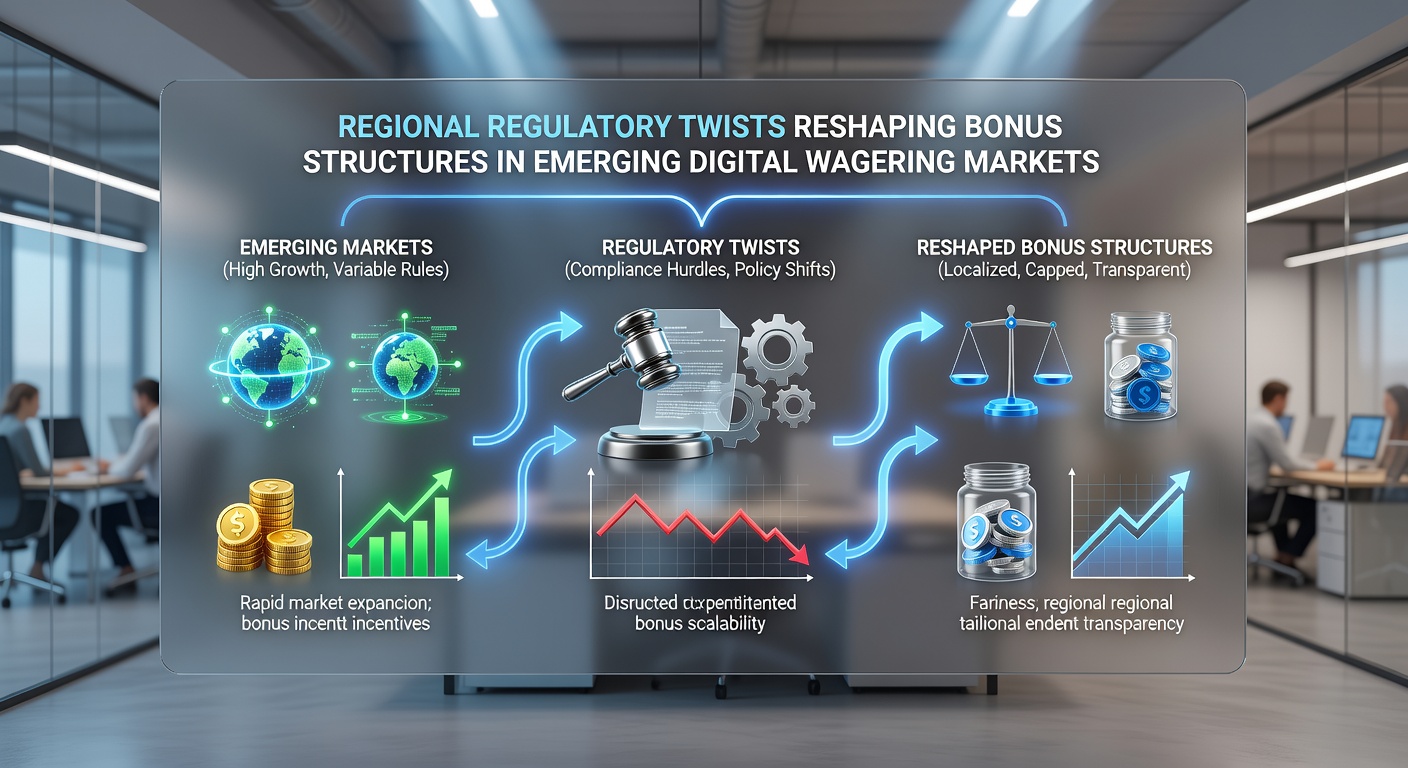
Emerging digital wagering markets across Latin America, Southeast Asia, and parts of Africa continue to see rapid adjustments in how operators structure player bonuses, and these changes stem directly from evolving regional regulations that took hold through early 2026. Governments in these areas have introduced new licensing requirements, contribution caps, and transparency rules that force betting platforms to redesign welcome offers, reload incentives, and loyalty rewards rather than maintain older, unrestricted models.
Latin American Markets Drive Early Adjustments
Brazil's updated gaming framework, enforced starting in March 2026, placed strict limits on bonus wagering multipliers while requiring operators to disclose exact terms in local language formats. Data from the first quarter showed a shift toward deposit-match bonuses capped at lower percentages, with many platforms moving away from no-deposit credits that previously bypassed contribution tracking. Similar patterns emerged in Colombia and Argentina, where tax authorities began auditing bonus-related revenue streams to ensure proper reporting under new digital entertainment levies.
Operators responded by introducing time-bound promotions tied to verified local payment methods, and this approach helped maintain compliance while still attracting users in high-growth corridors. Figures released in May 2026 indicated that bonus redemption rates in Brazil dipped 18 percent compared with the prior year, yet overall handle volumes remained stable because platforms redirected marketing spend toward cashback structures that comply with contribution caps.
Asian Regulatory Updates Create Parallel Pressures
India's state-level variations and Indonesia's centralized licensing updates produced another layer of complexity, where bonus structures must now align with anti-money laundering thresholds and player verification timelines. Platforms operating in these jurisdictions reduced the size of free bet offers and replaced them with matched deposit promotions that require full account funding before activation. Research from regional trade groups shows that these modifications reduced bonus abuse incidents by measurable margins while preserving operator margins under tighter hold percentages.
Kenya and Nigeria followed with their own directives in the first half of 2026, mandating that any bonus exceeding a set monetary threshold receive pre-approval from gaming boards. This requirement prompted several international operators to localize their promotion engines, creating separate bonus pools for each market rather than running unified global campaigns. The result has been more granular tracking of player behavior and clearer separation between bonus funds and real-money balances.
Impact on Operator Strategies and Player Engagement
These regulatory shifts have forced operators to recalibrate their entire promotional calendars, moving from aggressive acquisition bonuses toward retention-focused programs that emphasize ongoing play rather than one-time sign-up rewards. In markets where contribution caps apply, loyalty tiers now deliver smaller but more frequent rewards, and this structure helps operators meet both regulatory and commercial goals. Reports compiled by industry analysts in May 2026 noted that average bonus values across tracked platforms fell between 12 and 25 percent, depending on the jurisdiction.
Payment method restrictions also played a role, since several regulators now require bonuses to be funded only through approved local channels. This change eliminated certain cross-border wallet promotions and pushed platforms to partner with regional fintech providers. The adjustments created new partnership opportunities while simultaneously increasing operational costs for smaller operators that lack established local banking relationships.
Comparative Data Across Regions
Comparative figures from May 2026 reveal distinct regional patterns. Markets with the strictest contribution rules showed the sharpest decline in high-value welcome bonuses, whereas regions emphasizing transparency but allowing higher caps maintained larger initial offers. One study tracking operator filings across five jurisdictions found that reload bonuses increased in frequency as welcome offers contracted, suggesting operators prioritize repeat engagement once initial regulatory hurdles are cleared.
Academic researchers examining player data in these emerging markets have documented corresponding changes in session length and deposit patterns. Bonuses with longer validity windows and lower wagering requirements correlated with steadier engagement, while short-term, high-multiplier offers produced more volatile activity that regulators sought to curb. These observations appear in reports issued by university-linked gaming research centers focused on digital economies in developing regions.
Future Outlook for Bonus Design
Looking ahead, operators are preparing for further refinements as additional countries finalize their frameworks. Several platforms have begun testing modular bonus systems that can be adjusted quickly when new rules take effect. This flexibility allows compliance teams to modify contribution rates, eligibility windows, and reward types without rebuilding entire marketing infrastructures.
Industry associations in Latin America and Southeast Asia have started sharing best-practice templates that help members align promotions with local requirements while maintaining competitive positioning. Data shared among members indicates that platforms adopting these templates early experienced fewer compliance interventions during the first half of 2026.
Conclusion
Regional regulatory developments continue to reshape how digital wagering platforms construct and deliver bonuses in emerging markets. The adjustments observed through May 2026 demonstrate that operators are adapting by localizing offers, tightening contribution rules, and shifting emphasis toward retention programs. These changes reflect ongoing efforts by regulators to balance market growth with consumer protection standards, and they will likely influence bonus structures for the foreseeable future as additional jurisdictions complete their policy frameworks.