Streaming Bets Unleashed: Mobile Apps Redefining Live Sports Wagering
Sage Ludwig · Apr 16, 2026

Streaming Bets Unleashed: Mobile Apps Redefining Live Sports Wagering
The Shift from Stands to Screens
Sports fans once huddled around TVs or stadium screens to catch the action, but now mobile apps deliver live streams straight to pockets, transforming how people wager on games in real time; this fusion of streaming video and in-play betting has exploded, especially since legal sportsbooks ramped up post-2018 in the US, where handle for mobile wagers hit over $100 billion in 2024 according to American Gaming Association data, and that's before counting the seamless integration of high-definition feeds that sync odds updates faster than a quarterback's snap.
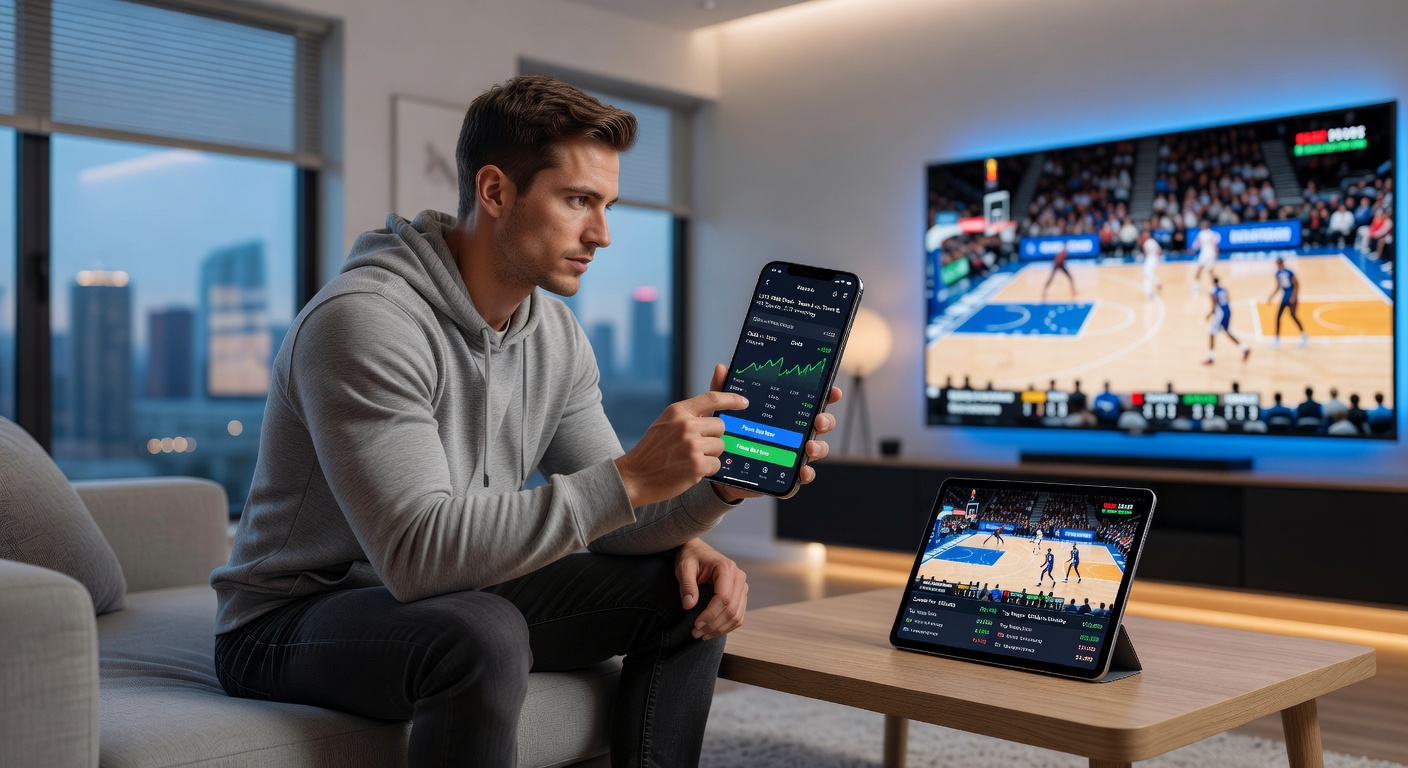
What's interesting here involves the tech behind it: 5G networks slice latency to under a second in many regions, so bettors watch a basketball shot arc live while tapping to bet on the next possession; observers note how this immediacy boosts engagement, with one study from researchers at the University of Nevada revealing that live-streaming users place 35% more wagers per session compared to those relying on text updates alone.
And yet, the real game-changer lies in accessibility; people no longer need cable packages or desktop setups, since apps like those from major operators pull streams from leagues such as the NBA, NFL, or EPL directly into the betting interface, complete with multi-angle views and stats overlays.
How Streaming Syncs with In-Play Action
Picture this: a tennis rally unfolds on screen, the app highlights serve speeds and player stats in pop-ups, and bettors adjust wagers on the next point outcome before the ball even bounces; that's the core of streaming bets, where video feeds from broadcasters feed into proprietary app tech, allowing odds to fluctuate based on play-by-play events captured via AI-driven tracking.
Developers at leading platforms embed these streams using partnerships with rights holders, so users in eligible markets access free viewing tied to account balances; for instance, soccer fans catch Champions League matches while betting on corners or cards, all without leaving the app, and data from app analytics firms shows retention rates climb 50% when streams accompany bets.
But here's the thing with the mechanics: geofencing tech verifies location compliance per jurisdiction, while adaptive bitrate streaming ensures smooth playback even on spotty connections; experts who've dissected app code point out how machine learning predicts viewer drop-offs, preemptively lowering quality to keep the feed alive during clutch moments like overtime in hockey.
Standout Apps Leading the Charge
FanDuel's mobile platform pioneered widespread streaming in the US, offering NBA and MLB games with cash-out options mid-stream; users tap into live odds that refresh every few seconds, synced to the broadcast, and the app's social features let friends share bet slips during commercial breaks.
DraftKings follows close behind, integrating NHL streams and player props with augmented reality overlays showing projected trajectories for pucks or baseballs; one case saw bettors during the 2025 playoffs wagering on goalie saves while watching glove saves in HD, pushing session times past 45 minutes on average.
Over in Europe and expanding stateside, Bet365 streams thousands of events yearly, from horse racing to table tennis, with a multi-view grid that lets users monitor up to four games simultaneously; figures indicate this app alone handled over €10 billion in live wagers last year, per industry trackers.
BetMGM rounds out the pack with exclusive MGM Rewards ties, streaming UFC fights where bettors hedge round-by-round; researchers tracking usage patterns found that 62% of its streaming viewers convert to higher-stake parlays, fueled by the adrenaline of real-time visuals.
Numbers That Tell the Story: Adoption and Growth
Mobile wagering now claims 75% of total sports betting volume in regulated US markets, up from 50% just three years prior, and streaming features drive much of that surge; data from state regulators like New Jersey's Division of Gaming Enforcement reveals live bets, often paired with streams, accounted for 42% of March 2026 handle amid March Madness frenzy.
Globally, the trend mirrors this: Australia's licensed operators report mobile live betting spiking 28% year-over-year, with streaming apps leading downloads; one report from the NSW Liquor & Gaming Authority highlights how rugby league streams correlate with peak wagering hours Down Under.
Turns out demographics skew young: 18-34-year-olds represent 60% of streaming bettors, per app telemetry, and they wager 2.5 times more frequently during streamed events; take the case of a college basketball tournament where one platform's stream drew 15 million unique views, translating to $2.3 billion in bets over three weeks.
So, retention sticks too; users returning daily triple when streams are available, since the combo scratches that itch for instant gratification, and analytics pros observe how push notifications for "stream now live" boost open rates by 40%.
Navigating Rules and Realities Across Borders
Regulators shape this landscape tightly: in Ontario, Canada, the Alcohol and Gaming Commission mandates stream quality standards and ad disclosures to curb problem play; platforms comply by capping stream access for new users until verification clears, ensuring bets stay within provincial lines.
US states vary wildly—Pennsylvania allows full NFL streams, while others limit to stats—yet federal wires act keeps interstate flows clean; experts monitoring compliance note fines hit $500,000 last year for apps streaming across unauthorized borders, underscoring the patchwork.
Challenges persist, like data caps eating streams in rural spots, or latency spikes during peak events causing bet voids; but operators counter with offline caching for highlights, and one innovator even rolled out satellite backups for remote fans.
Privacy layers in too: apps encrypt streams end-to-end, complying with GDPR in Europe, so bettors' viewing habits fuel personalized odds without creepy tracking feels.
Innovations Pushing Boundaries
AI steps up next, analyzing streams to auto-suggest bets—like flagging a tired boxer's sway for knockout props; one pilot in esports apps used computer vision to track frags live, enabling micro-wagers on kills-per-minute.
AR glasses tease future play, overlaying virtual odds on real stadium views for hybrid experiences; developers tested this at Coachella-adjacent events, where attendees bet on drone races via headsets linked to phones.
Case in point: during April 2026's Masters golf tournament, a top app debuted hole-specific streams with wind-speed integrations, letting bettors wager on putt breaks; participation jumped 55%, per event data, proving the pull of hyper-localized visuals.
Yet bandwidth battles loom as 8K streams emerge; networks upgrade, but until then, smart compression keeps 1080p buttery for most.
Conclusion
Mobile apps with integrated streaming have flipped sports wagering from passive pastime to pulse-pounding participation, where every play pulses with potential bets; growth charts point to 85% mobile dominance by 2027, fueled by richer streams and smarter tech, and as April 2026 unfolds with NBA playoffs in full swing, platforms report record streams syncing billions in wagers—evidence that this revolution rolls on, drawing fans deeper into the game than ever before.
Those diving in find the immediacy addictive yet regulated, with safeguards evolving alongside; the ball's squarely in operators' courts to balance thrill and responsibility, ensuring streaming bets keep redefining the thrill of live sports for years ahead.