The Hidden Mechanics Behind Loyalty Tier Resets and Their Effect on Long-Term User Retention Patterns at Digital Wagering Platforms
Zoe Sullivan · Jul 14, 2026
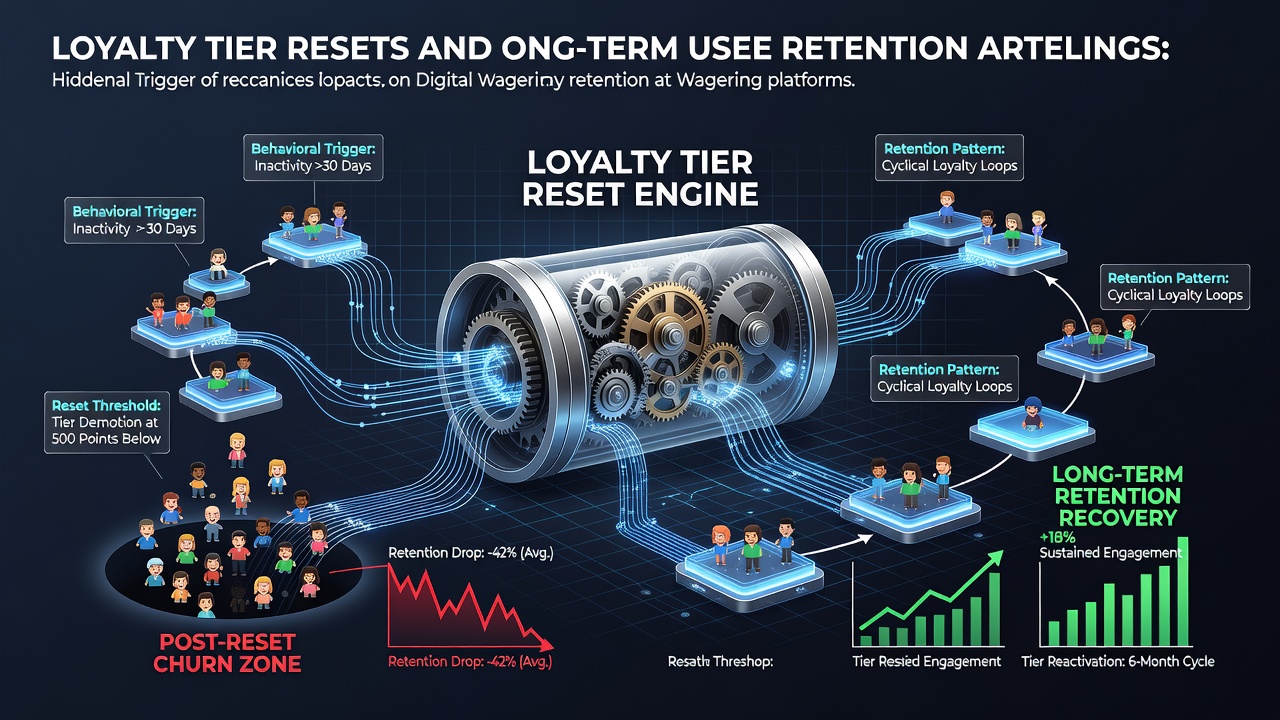
The Hidden Mechanics Behind Loyalty Tier Resets and Their Effect on Long-Term User Retention Patterns at Digital Wagering Platforms
Digital wagering platforms structure loyalty programs around tiered systems where users accumulate points through bets and deposits yet these tiers often reset on fixed schedules that operators set in advance. Resets typically occur at the end of calendar years or fiscal quarters and they strip away accumulated status unless players maintain specific activity thresholds. Operators design these mechanics to balance acquisition costs against ongoing engagement while data from multiple markets shows that reset timing directly influences whether users stay active or reduce participation after losing their benefits.
Mechanics of Tier Resets in Practice
Platforms calculate tier status based on rolling windows of activity such as total handle or deposit volume over a defined period and they apply resets to clear prior progress at predetermined dates. A user who reaches platinum level through consistent wagers might drop to silver status immediately after the reset if their recent activity falls short of renewal requirements. This process repeats across major operators where algorithms track individual accounts and trigger notifications about impending changes often several weeks in advance. According to figures from the American Gaming Association, tiered programs now operate on more than 80 percent of regulated U.S. sportsbooks as of mid-2026 while similar structures appear in Canadian and Australian markets with comparable reset frequencies.
Reset triggers vary by region with some platforms using calendar resets on January 1 and others aligning them to fiscal quarters or user anniversary dates. Points earned during one cycle do not carry forward which forces users to rebuild status each period. Operators adjust these rules periodically and data indicates that July 2026 saw several platforms test shorter reset intervals of six months instead of twelve in select jurisdictions. Those adjustments coincided with increased mobile traffic patterns observed across multiple operators.
Impact on Long-Term Retention Metrics
Retention studies track user cohorts before and after resets and they reveal measurable drops in activity once status benefits disappear. Users who lose premium tier access often reduce betting volume by 25 to 40 percent in the following month according to aggregated platform data shared in industry reports. Long-term patterns show that repeated resets correlate with higher churn rates particularly among mid-tier users who invested effort to climb levels yet face the same starting point each cycle. Researchers at the University of Sydney published findings in 2025 that linked annual resets to a 15 percent increase in account dormancy within three months of each reset event.
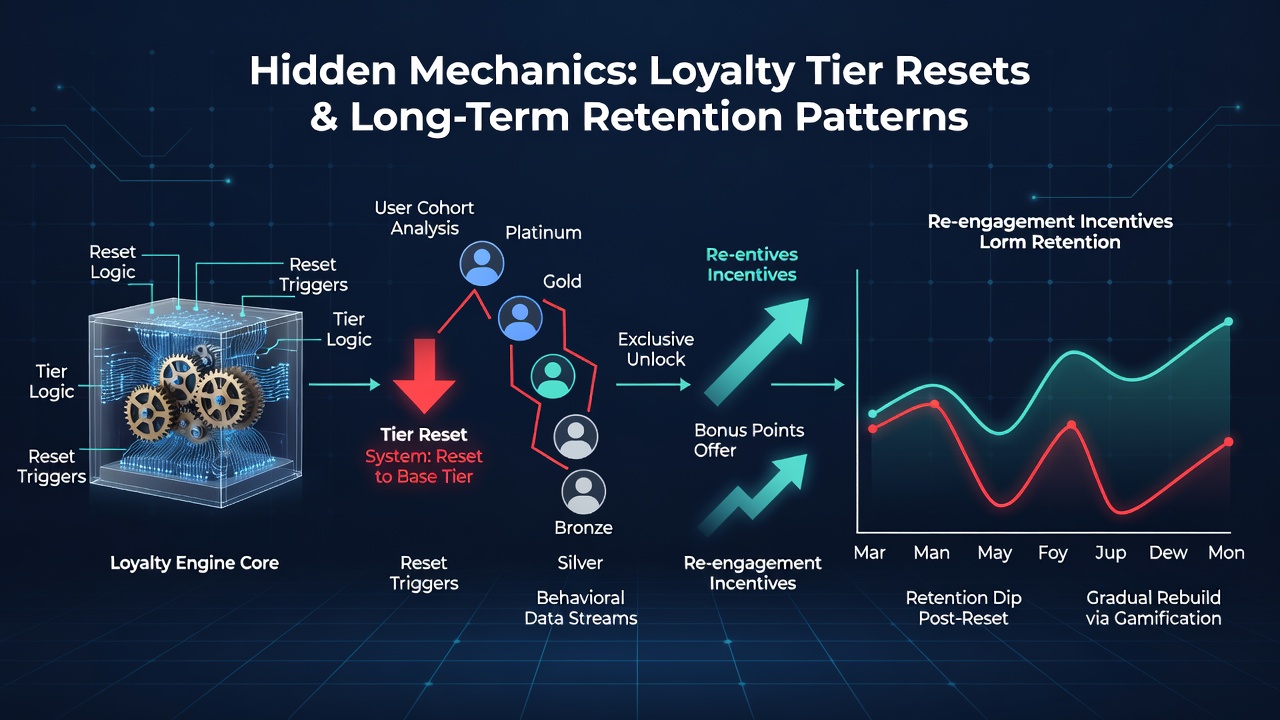
Platforms counter these effects with targeted promotions that activate around reset dates yet these interventions produce uneven results across user segments. High-volume bettors maintain activity more consistently because their spending already satisfies renewal thresholds while casual users experience sharper declines. Observers note that retention curves flatten when operators introduce partial point carryovers or grace periods though such features remain limited to specific markets like those regulated by the Alcohol and Gaming Commission of Ontario. Patterns emerging in July 2026 suggest operators are experimenting with personalized reset notifications that include projected requirements based on individual histories which appears to moderate the immediate post-reset dip in engagement.
Regional Variations and Regulatory Influences
European markets apply different constraints on loyalty mechanics compared with North American platforms and these differences affect how resets influence retention. Some jurisdictions require clear disclosure of reset terms while others focus on preventing misleading representations of ongoing benefits. Australian operators for instance align resets with local fiscal reporting cycles which creates predictable patterns that users learn to anticipate. Data from the European Gaming and Betting Association indicates that platforms incorporating user-controlled reset timing options see slower attrition rates over multi-year periods.
Cross-border users encounter additional complexity when platforms apply different reset rules based on account jurisdiction and this fragmentation contributes to fragmented engagement patterns. Operators respond by standardizing certain elements such as advance warning periods yet full harmonization remains rare. Retention data collected across multiple regions shows that users who experience fewer abrupt resets maintain higher lifetime value metrics even when overall betting volumes stay comparable.
Conclusion
Tier reset mechanics operate as core components of digital wagering loyalty systems and their structure shapes retention outcomes across user populations. Platforms continue to refine reset intervals and notification strategies in response to observed behavioral data with July 2026 marking several adjustments in North American and European markets. Long-term retention improves when operators provide transparent rules and graduated renewal paths while abrupt full resets consistently associate with measurable activity reductions. These patterns hold across regulated environments where data collection supports ongoing optimization of loyalty frameworks.