The Influence of App Design Elements on Betting Frequency and Session Lengths in Mobile Wagering
Jordan Foster · May 24, 2026
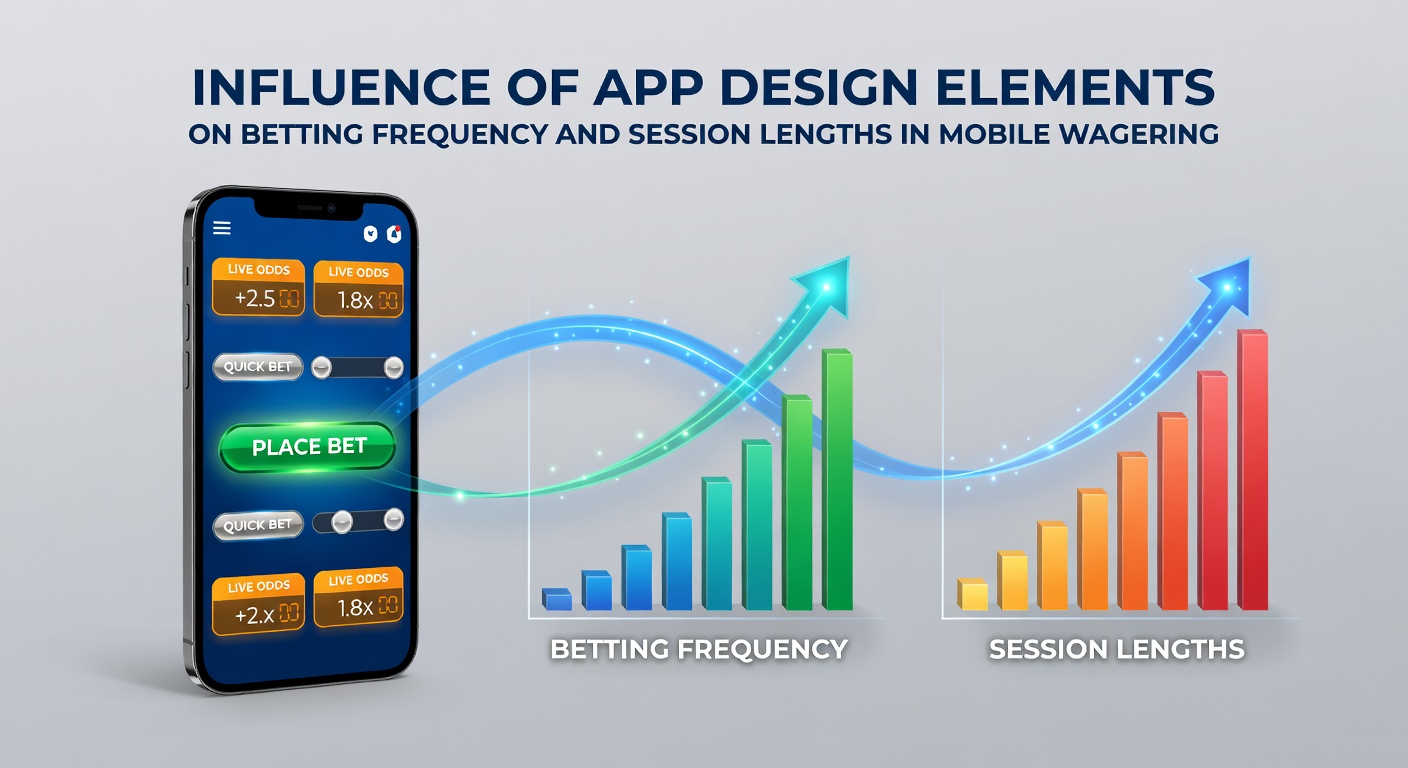
The Influence of App Design Elements on Betting Frequency and Session Lengths in Mobile Wagering
App design plays a central role in shaping how users interact with mobile wagering platforms, and researchers have documented clear connections between specific interface features and changes in betting frequency along with session durations. Navigation structures, color schemes, notification systems, and loading speeds all contribute to measurable differences in user behavior across various markets. Data collected through platform analytics reveals that streamlined menus and intuitive bet placement flows often correlate with increased daily wager counts, while cluttered layouts tend to reduce repeat visits within short timeframes.
Key Design Components Under Study
Studies from multiple regions indicate that push notification timing and content directly influence how often individuals open betting apps and place wagers. Platforms that send personalized alerts about live events or odds updates see higher return rates compared with generic messaging schedules. Visual hierarchy matters as well, since large buttons for popular bet types combined with minimal scrolling requirements allow users to complete actions faster and maintain momentum through multiple selections.
Color psychology receives attention from analysts tracking session metrics, and evidence shows that high-contrast interfaces in certain markets extend average time spent per visit. Smooth animations during bet confirmation stages reduce friction and encourage continued engagement rather than abrupt exits. Load time optimization stands out as another factor, with reports showing that delays beyond two seconds lead to measurable drops in both frequency and total session length.
Effects on Betting Frequency
Frequency patterns shift when apps incorporate swipe gestures and one-tap betting options, according to aggregated user data from North American operators. Those who've examined retention logs note that users return more often when favorite teams or events appear prominently on home screens without requiring extra taps. Loyalty program integration within the interface also drives repeat activity, as progress bars and reward trackers remain visible during normal navigation.
Geographic differences emerge in research compilations, where European platforms using localized design adaptations report steadier frequency increases than those applying uniform templates. Canadian provincial data similarly highlights how regulatory-mandated responsible gaming pop-ups, when designed with minimal interruption, maintain user flow without significantly lowering daily bet counts.
Impacts on Session Lengths
Extended sessions often result from features like live score integrations and in-app statistics panels that keep users engaged between wagers. Research indicates that collapsible menus and persistent bet slip displays allow individuals to review and adjust selections over longer periods without restarting the process. Dark mode availability appears in several datasets as a contributor to nighttime session extensions, particularly in regions with high smartphone usage after standard business hours.
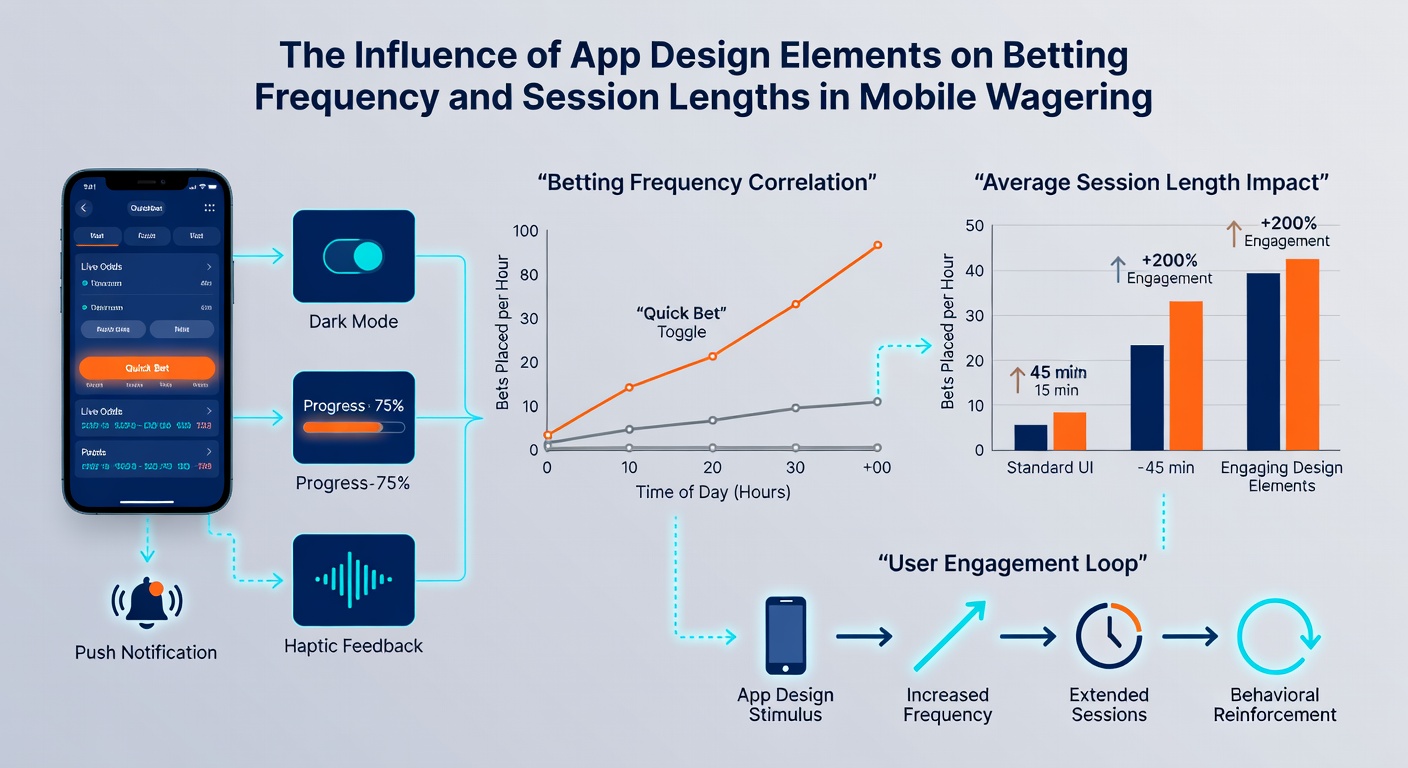
What's notable is how micro-interactions such as instant win celebrations or progress indicators affect dwell time. Platforms that reduced confirmation steps while maintaining security checks recorded average session increases of several minutes per visit in controlled A/B tests conducted through 2025 and into early 2026. Observers note that these adjustments align with broader market expansion projections that place continued mobile growth through May 2026.
Regional Data and Industry Reports
Analysts at the American Gaming Association have compiled metrics showing design-driven variations across state-regulated markets, where optimized interfaces correlate with higher handle volumes without corresponding rises in problem gambling indicators. Separate findings from Australian research centers point to similar outcomes when apps prioritize accessibility features such as adjustable text sizes and voice-assisted navigation for certain user groups.
European Union member state reports further illustrate that mandatory design standards for transparency can coexist with engagement tools, provided operators balance both through careful testing. These sources emphasize that frequency and session data require ongoing monitoring as new design trends emerge in the mobile space.
Conclusion
Design elements in mobile wagering apps continue to demonstrate measurable influence on user patterns, with navigation efficiency, notification strategies, and visual feedback mechanisms showing consistent associations across available datasets. As platforms evolve ahead of May 2026 market estimates, tracking these relationships remains essential for understanding behavioral trends without drawing unsubstantiated conclusions about causation. Continued collection of anonymized analytics from diverse regulatory environments provides the foundation for accurate assessment of these factors.