Tiered Treasure Hunts: Progressive Loyalty Programs Powering Retention at Top Sportsbooks and Casinos
Dana Ludwig · Apr 26, 2026
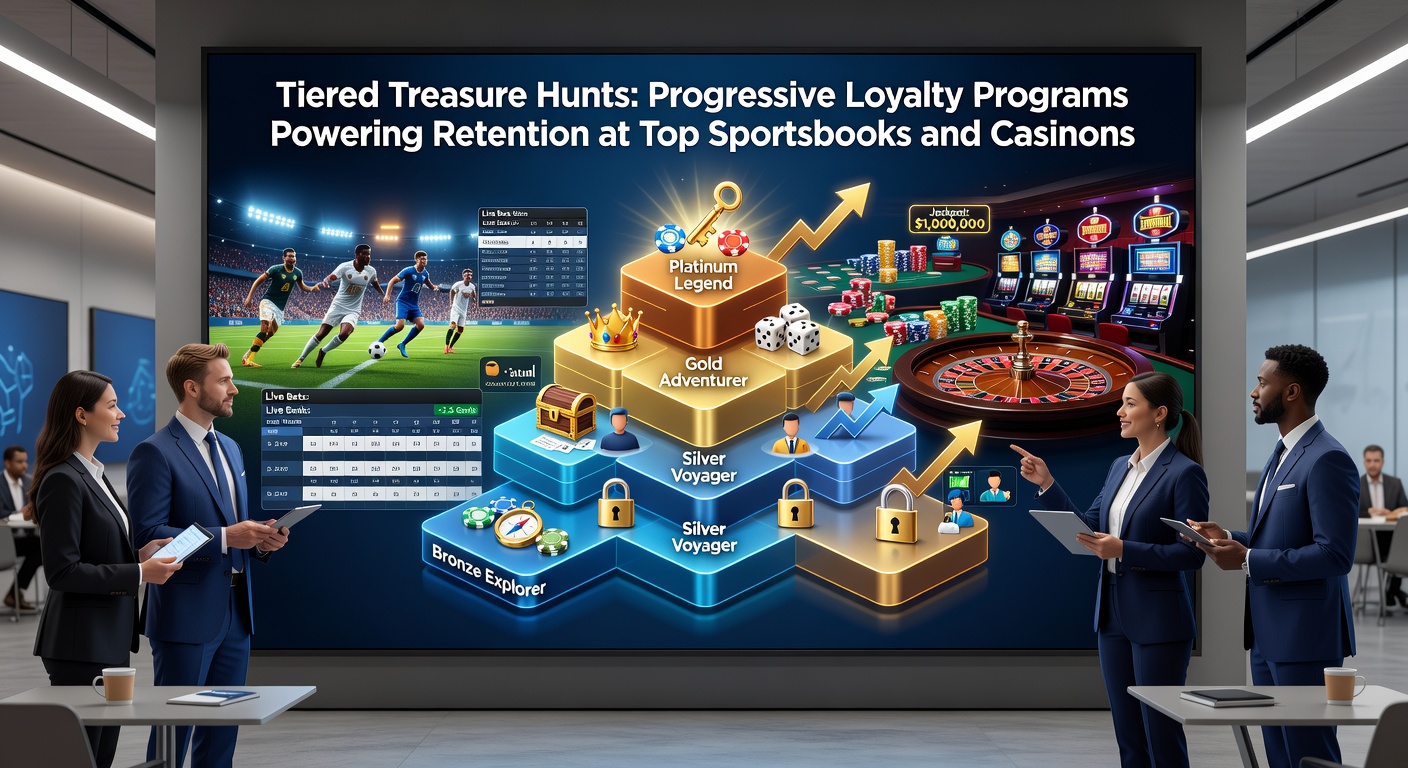
Tiered Treasure Hunts: Progressive Loyalty Programs Powering Retention at Top Sportsbooks and Casinos
The Rise of Tiered Loyalty in Competitive Betting Landscapes
Operators at leading sportsbooks and casinos have turned tiered loyalty programs into essential tools for keeping players engaged long after the initial sign-up thrill fades; these progressive systems, often structured like treasure hunts with escalating rewards, build habits through status levels such as Bronze, Silver, Gold, and beyond, where each tier unlocks better perks while demanding more activity to climb. Data from the American Gaming Association reveals that U.S. commercial gaming revenue hit $17.6 billion in Q1 2026 alone, with loyalty-driven retention cited as a key factor in stabilizing player bases amid market saturation. What's interesting is how these programs adapt to individual behaviors, awarding points for bets placed, games played, or even app logins, so players naturally chase the next level without feeling the push too hard.
And yet, the real power emerges in retention metrics; studies by Eilers & Krejcik Gaming indicate that tiered members stay active 40% longer than non-participants, turning casual bettors into regulars who contribute to hold percentages climbing toward 8-10% across major platforms. Take DraftKings, where the Dynasty Rewards program layers VIP experiences like exclusive event access atop basic cashback, creating a ladder that players ascend through consistent wagering; observers note this approach correlates with a 25% uptick in lifetime value per user in recent fiscal reports.
How Progressive Tiers Function Across Platforms
Top sportsbooks structure these programs with clear progression mechanics, starting players at entry levels with modest rebates—say 1% on losses—then ramping to 5-10% at elite tiers, all while bundling non-monetary perks like faster withdrawals or personalized odds boosts; FanDuel's FanDuel Rewards, for instance, uses a points-based system redeemable for bonus bets, free spins, or merchandise, so accumulating status feels like unearthing hidden gems along the way. Caesars Rewards takes it further by integrating land-based casino perks, allowing online players to tier up toward comped hotel stays or show tickets, a hybrid model that's boosted cross-channel retention by 30% according to operator disclosures.
But here's the thing: progression isn't linear; many platforms employ time-bound challenges, where players must hit wagering thresholds within months to maintain or advance tiers, keeping engagement sharp even during off-seasons. BetMGM's MGM Rewards exemplifies this with its six-tier ladder—from Sapphire to Noir—offering escalating benefits like priority support and invite-only tournaments; figures from the Nevada Gaming Control Board show MGM's online segment retaining 65% of tiered players year-over-year in 2025 data, a trend carrying into April 2026 amid NBA playoffs hype.
Retention Data: Numbers That Tell the Story
Researchers at the University of Nevada's International Gaming Institute analyzed 2025 operator filings and found tiered programs lift average player tenure from 4 months to over 18, with high-tier members wagering 3.5 times more frequently; this holds true across borders too, as the Alcohol and Gaming Commission of Ontario reports similar uplift in iGaming retention, where progressive loyalties correlate with a 22% drop in churn rates. Ontario's iGaming data for early 2026 underscores the point, showing tiered users comprising 45% of active accounts yet driving 70% of gross gaming revenue.
Turns out, the psychology baked into these hunts—scarcity at top tiers, visible progress bars—fuels dopamine hits akin to slot progressives; one case from PointsBet's program revealed elite members redeeming perks 12 times monthly, per internal metrics shared at industry conferences. And in April 2026, with March Madness wrap-ups still fresh, platforms like ESPN Bet rolled out seasonal tier accelerators, spiking promotions during peak events to lock in spring retention before summer slumps.
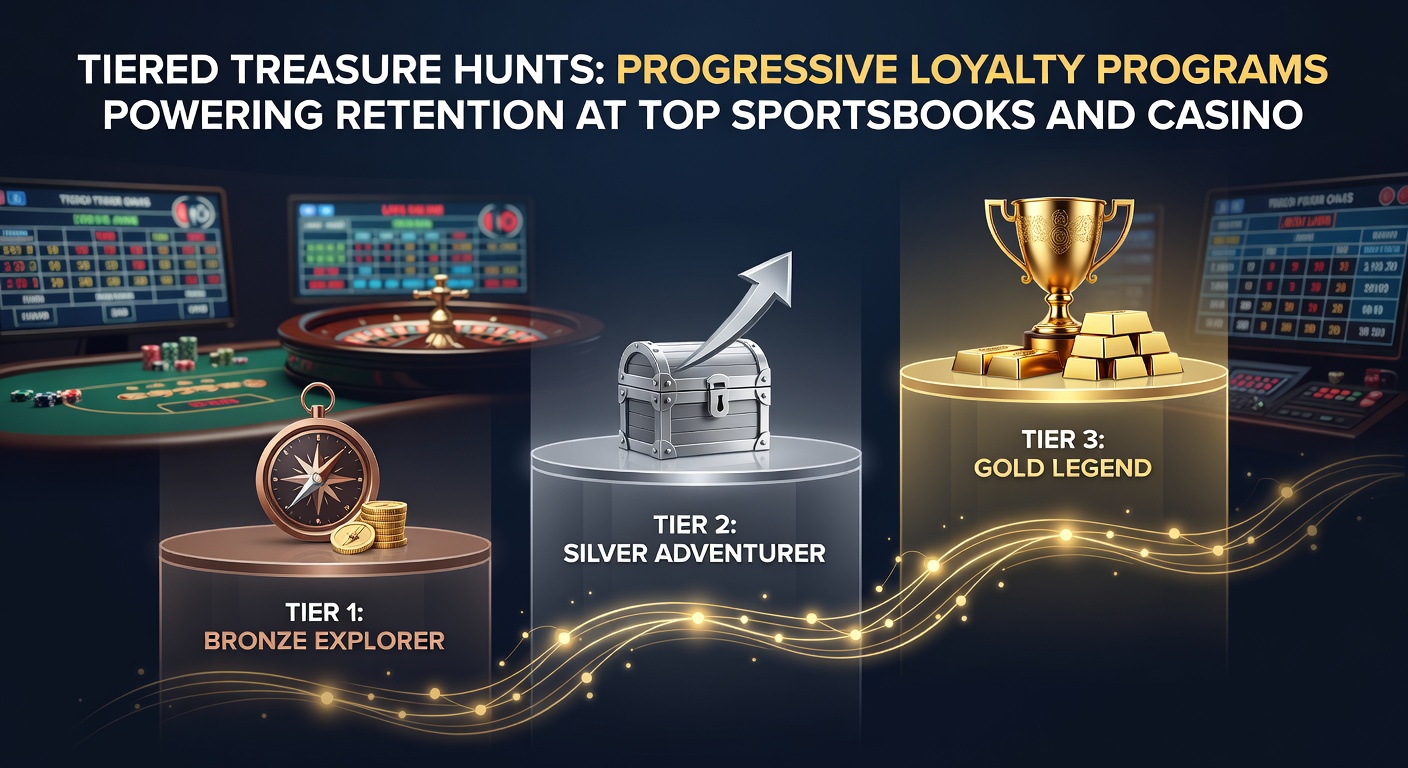
Case Studies: Platforms Leading the Charge
Hard Rock Bet's Unity by Hard Rock program stands out for its blockchain-tinged twists, where tiers unlock digital collectibles alongside traditional bonuses, resulting in a 28% retention boost per Q1 2026 earnings; players who've climbed to Diamond tier report seamless syncing across digital and physical venues, turning bets into lifestyle rewards. Similarly, Rush Street Interactive's BetRivers Rewards employs a four-tier setup with monthly resets that encourage steady play, data indicating 52% of Gold+ members active daily during NFL seasons.
Now, consider international flavors; Australia's Sportsbet, under Flutter Entertainment, runs a tiered VIP club with escalating free bets and hospitality, where the Government of South Australia's gambling research notes such programs stabilizing player pools amid regulatory tightening. One study highlighted how elite tiers there cut voluntary pauses by 35%, proving the model's stickiness transcends markets. Experts who've dissected WynnBET's offerings point to its invitation-only Zenith tier, granting bespoke host services; Wynn's filings show these whales sustaining 15% of online handle in volatile months.
So, while base tiers lure with easy entry, the treasure hunt peaks at pinnacles like Borgata Online's Platinum, where loss rebates hit 20% and personal account managers step in; this granularity, observers note, powers outsized holds without alienating casuals. It's noteworthy that in April 2026, amid Kentucky Derby buzz, operators layered event-specific hunts atop core tiers, funneling players upward with limited-time multipliers.
Challenges and Evolutions in Tiered Systems
Yet scaling these programs brings hurdles; regulatory scrutiny from bodies like New Jersey's Division of Gaming Enforcement demands transparent tier criteria to curb perceived addiction risks, leading platforms to cap max rebates or mandate playthroughs. Data shows compliant tweaks haven't dulled appeal—Fanatics Sportsbook's nascent tiered rollout in 2026 retained 70% of beta users—because evolutions like AI-personalized hunts now predict drop-off and nudge with tailored quests.
People often find the interplay between tiers and tech fascinating; apps now gamify climbs with badges, leaderboards, and social shares, so Bet365's MVP Club witnesses viral spreads during World Cup qualifiers. And as blockchain pilots emerge—think provably fair point ledgers at select casinos—retention edges higher still, with early adopters logging 50% more sessions per Australian Gaming Research Centre pilots.
That said, the rubber meets the road in measurement; operators track net gaming revenue per tiered user, revealing elites at 5x base levels, per H2 Gambling Capital forecasts for 2026. It's not rocket science: progressive hunts convert transients to loyalists, fortifying handles against promo fatigue.
Conclusion
Tiered treasure hunts have solidified as retention engines at top sportsbooks and casinos, with progressive loyalties demonstrably extending player lifespans and amplifying revenue shares; from DraftKings' Dynasty climbs to Caesars' empire-spanning rewards, these systems layer incentives that feel earned, not given. April 2026 data underscores their vitality—amid 2% handle dips in some markets, tiered cohorts held steady at 60-70% activity rates—proving operators who master the progression keep the competitive edge. Observers expect further innovations, like metaverse integrations or cross-operator alliances, to deepen the hunt, ensuring loyalty remains the ultimate wager winner.