Tracking How Artificial Intelligence Optimizes Personalized Promotion Delivery in Online Betting Ecosystems
Zoe Sullivan · May 21, 2026
Tracking How Artificial Intelligence Optimizes Personalized Promotion Delivery in Online Betting Ecosystems
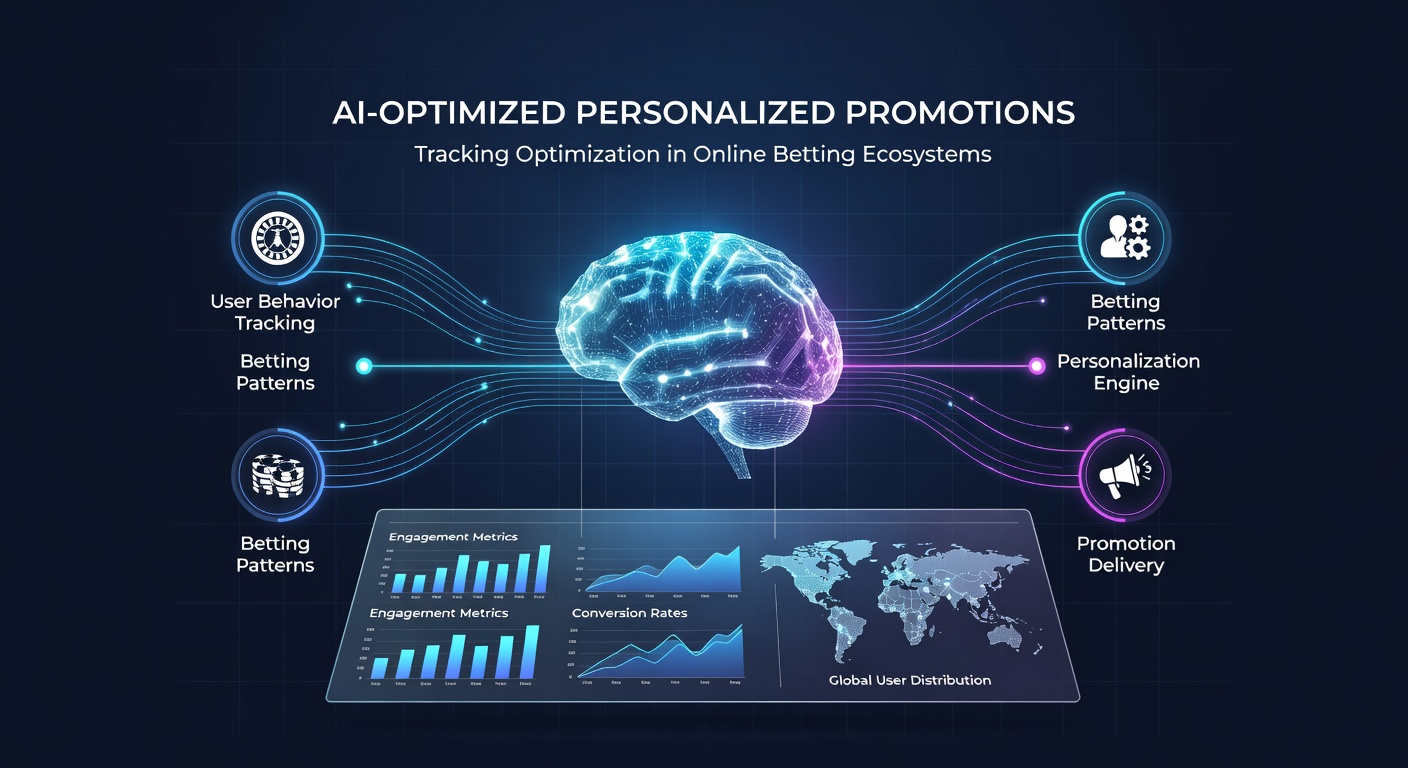
Artificial intelligence systems now track vast streams of user activity across online betting platforms, turning raw clicks, wagers, and session times into tailored promotion sequences that operators deliver in real time. Platforms collect signals such as deposit frequency, preferred sports, and time-of-day login patterns, then feed those signals into machine-learning models that predict which bonus type will trigger the next deposit or wager. Observers note that this loop runs continuously, adjusting offers while a user remains logged in rather than waiting for the next day or week.
Data Inputs That Feed the Models
Operators gather structured and unstructured data from multiple sources. Transaction logs reveal average bet size and volatility tolerance, while device telemetry shows whether a player prefers mobile in-play betting or desktop pre-match markets. Social login details and geolocation tags add further context, allowing algorithms to segment audiences into cohorts that respond differently to free bets versus deposit matches. Research from academic teams at institutions such as Monash University indicates that combining these variables improves prediction accuracy for promotion acceptance rates by measurable margins compared with rule-based systems used five years earlier.
Real-Time Decision Engines
Once data enters the pipeline, decision engines score each user against current campaign goals. A player who has placed several losing bets on underdogs might receive an instant risk-free bet on a favorite, while a high-volume winner could see a loyalty multiplier instead. These engines operate on sub-second latencies, pushing notifications through in-app banners or push alerts before the user closes the session. The same infrastructure also caps exposure for players showing signs of extended play, routing them toward lower-stakes offers rather than high-value bonuses. Figures from the American Gaming Association reveal that platforms adopting such controls reported a measurable drop in average session length for at-risk cohorts during early 2026 trials.
Campaign Measurement and Feedback Loops
Tracking extends beyond delivery to outcome measurement. Conversion pixels record whether a promoted free bet converted into settled wagers, and uplift models compare behavior against control groups that received generic offers. When conversion falls below internal thresholds, the system automatically reallocates budget toward higher-performing segments. Analysts at the European Gaming and Betting Association have documented that this closed-loop testing cycle shortened campaign optimization windows from weeks to days across several major operators by May 2026.
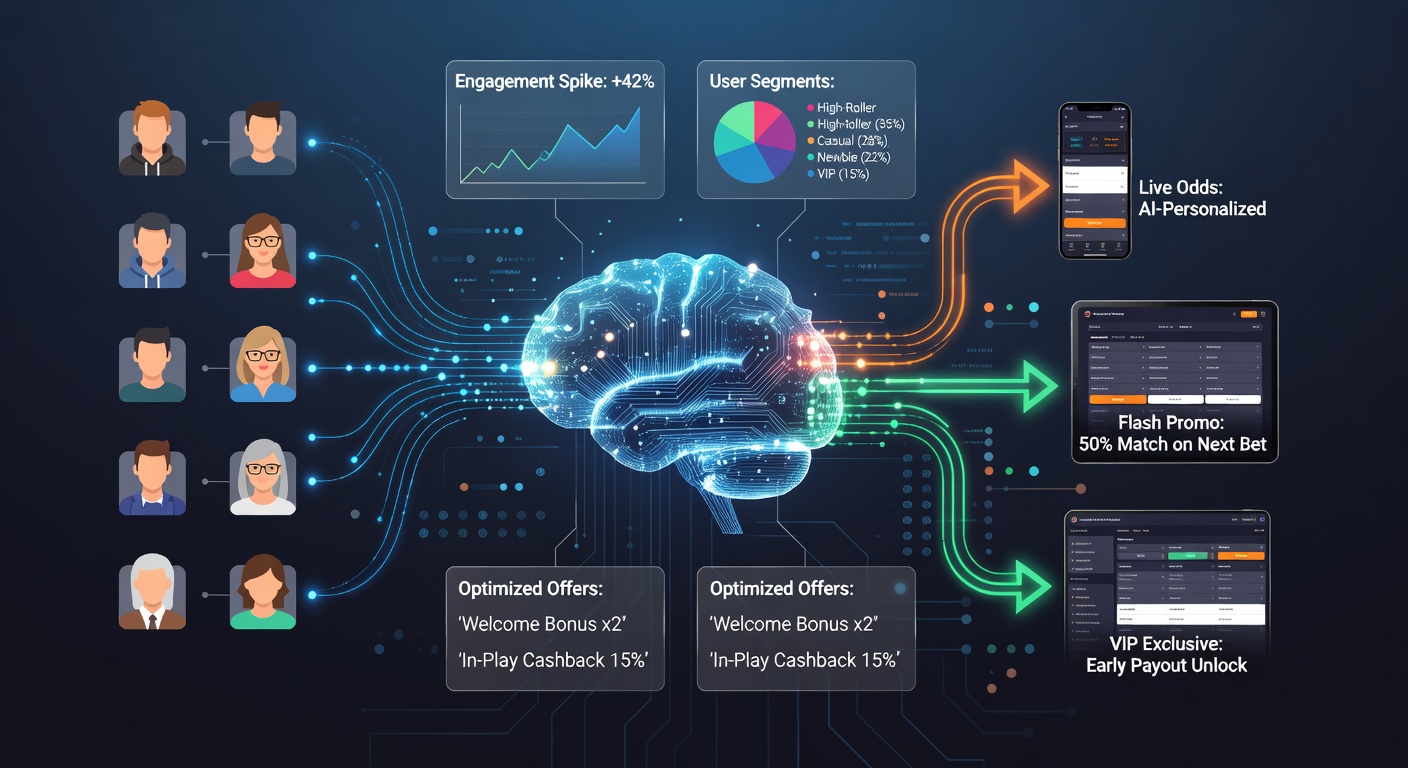
Operators also monitor cross-channel consistency. A promotion triggered on mobile must match the terms shown on desktop or smart TV apps, otherwise trust metrics decline. Automated reconciliation scripts flag discrepancies and trigger corrective pushes to all active sessions within minutes. Those who've studied these systems report that such synchronization now forms a baseline requirement rather than a premium feature.
Regulatory and Privacy Considerations in 2026
By May 2026, several jurisdictions required operators to disclose the logic behind personalized offers upon user request. Canadian provincial regulators, for example, introduced rules mandating clear labeling of AI-generated promotions and opt-out mechanisms that remove a player from targeting lists without affecting account functionality. Similar guidance appeared in Australian state frameworks, emphasizing data minimization so that only variables directly tied to responsible gambling outcomes remain in active models. Compliance teams therefore maintain audit trails that log every variable used in each promotion decision, creating datasets that regulators can review during routine examinations.
Future Tracking Capabilities
Next-generation models incorporate reinforcement learning that treats promotion delivery itself as an ongoing experiment. Instead of static segments, these systems explore new offer combinations on small user slices and scale winners automatically. Early deployments show that such exploration can surface previously untested combinations, for instance pairing cash-out incentives with accumulator bonuses for niche football markets. Industry observers expect wider rollout once compute costs for these models continue their downward trajectory through the remainder of 2026.
Conclusion
Artificial intelligence now underpins nearly every stage of promotion design, delivery, and evaluation inside online betting ecosystems. Continuous data ingestion, sub-second decisioning, and automated feedback together produce offers that adapt to individual patterns while satisfying emerging regulatory standards. As measurement tools mature and privacy frameworks stabilize, operators gain clearer visibility into which promotions drive sustainable engagement and which merely inflate short-term volume. The infrastructure built around these capabilities continues to expand, shaping how platforms allocate marketing resources across global markets.