Voice-Enabled Controls Reshaping Mobile Wagering Transactions
Logan Jenkins · Aug 6, 2026
Voice-Enabled Controls Reshaping Mobile Wagering Transactions
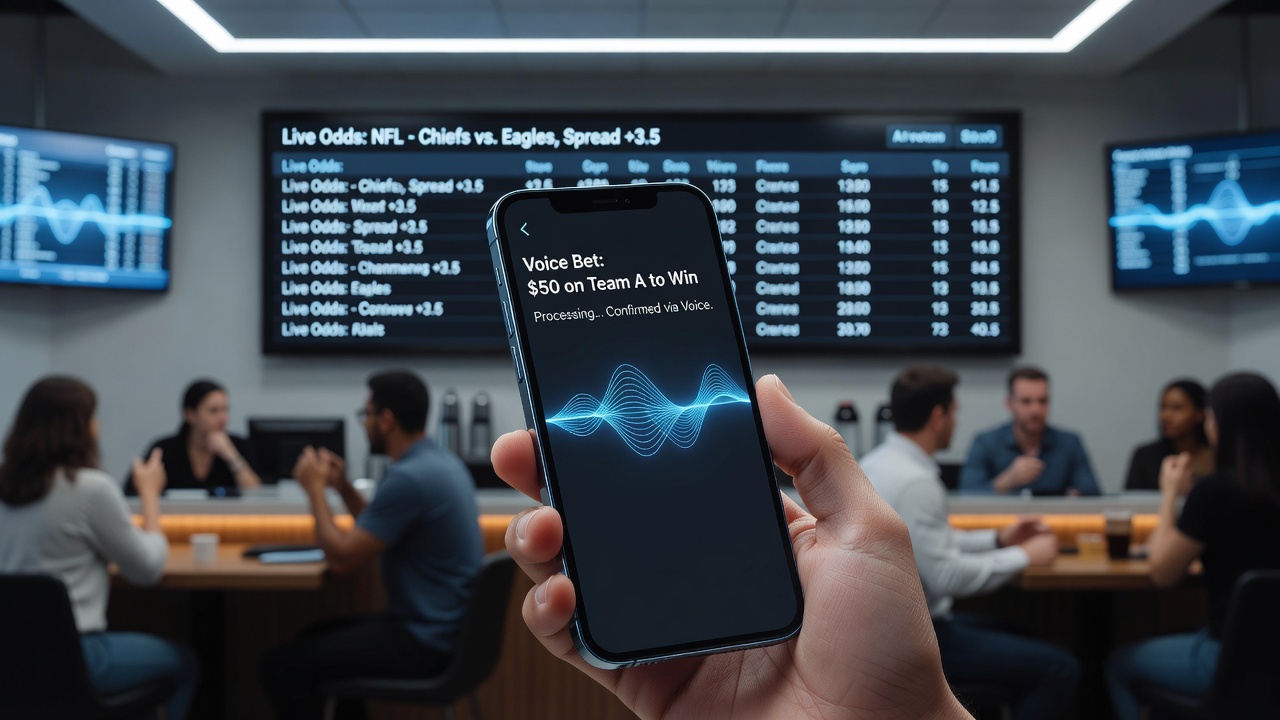
Voice command interfaces integrate with mobile wagering platforms through natural language processing and speech recognition technologies that allow users to place bets without manual input on screens, and these systems have seen expanded deployment across several major operators by August 2026. Data from industry reports indicates that operators incorporating voice features report average session completion times reduced by 25 to 40 percent compared to traditional touch-based methods, according to figures compiled by the American Gaming Association in its quarterly technology assessment.
Developers achieve this streamlining by embedding APIs from providers such as Google Cloud Speech-to-Text and Apple SiriKit directly into betting applications, which enables real-time transcription of user commands like "bet fifty dollars on the Lakers moneyline" while cross-referencing account balances and odds data instantaneously. Those who have studied app performance metrics observe that error rates in voice recognition for betting-specific vocabulary dropped below 8 percent in controlled tests conducted during the first half of 2026, a marked improvement from earlier iterations that struggled with accents and background noise during live events.
Technical Integration and Platform Adaptations
Platform adaptations involve layered security protocols that verify user identity through voice biometrics before processing any transaction, and this approach combines with existing two-factor authentication to maintain compliance with state regulations in jurisdictions such as New Jersey and Pennsylvania. Research from the University of Nevada, Las Vegas gaming laboratory shows that voice systems process commands in under 1.5 seconds on average when network latency remains below 50 milliseconds, which supports faster decision-making during in-play wagering windows that often last only minutes.
Operators have rolled out these features in phased updates, with several apps introducing voice shortcuts for popular bet types including spreads, totals, and player props by mid-2026. What's interesting is how the same infrastructure supports multilingual commands in select markets, allowing Spanish and French speakers to interact seamlessly without switching input modes, as documented in deployment logs shared by the Canadian Gaming Association.
Users activate the feature through a dedicated microphone icon or wake-word prompt, after which the system confirms the bet details aloud for verbal approval to reduce misplacements. Observers note that this confirmation loop contributes to lower dispute volumes, with one operator reporting a 15 percent decrease in transaction reversal requests following the feature's launch.
Adoption Patterns Across User Demographics
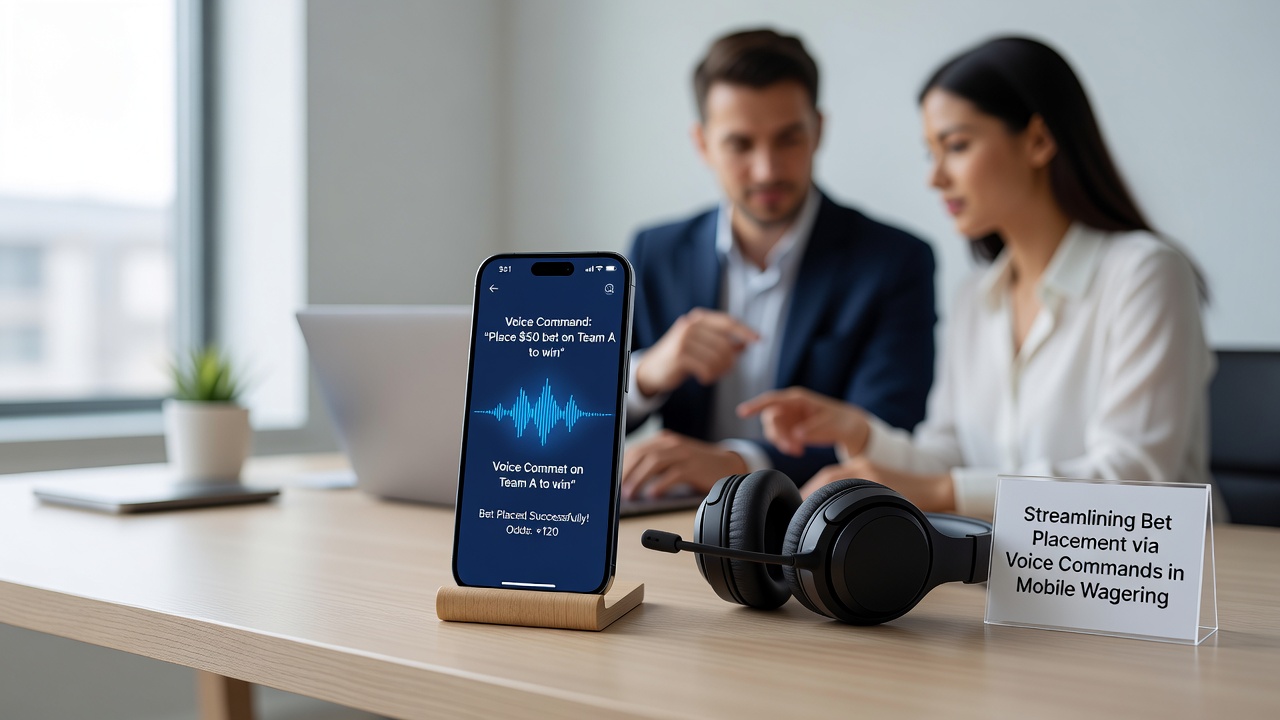
Adoption patterns reveal higher engagement among users aged 25 to 34 who already rely on voice assistants for other tasks, while older demographics show slower uptake according to a survey released by the Responsible Gambling Council of Canada in July 2026. Those who've examined session data find that voice-enabled bets occur more frequently during multitasking scenarios such as commuting or viewing events on secondary screens, which extends overall platform interaction without requiring constant visual attention.
Regional differences appear in rollout speed, with markets in Australia and parts of Europe integrating voice options earlier due to fewer legacy system constraints, and data released by the Australian Communications and Media Authority highlights a 30 percent increase in mobile wagering volume on voice-supported apps during the 2025-2026 fiscal year. Experts tracking these trends point to partnerships between betting firms and consumer electronics companies as a driver for broader compatibility across devices.
Security Measures and Regulatory Oversight
Security measures include encryption of voice data streams and automatic detection of coerced or altered speech patterns, which align with guidelines from the Nevada Gaming Control Board updated in early 2026. These protocols prevent unauthorized access while allowing seamless transactions, and operators must maintain audit trails of all voice interactions for review by regulatory bodies. Research indicates that such safeguards have kept fraud incidents involving voice interfaces below 0.2 percent of total transactions in monitored jurisdictions through the summer of 2026.
Challenges persist around background interference and privacy concerns, yet developers continue refining algorithms with user feedback collected through in-app reporting tools. One study revealed that incorporating contextual awareness, such as recognizing event-specific terminology during live games, further boosts accuracy without compromising processing speed.
Future Developments in Voice Wagering Technology
Future developments focus on deeper integration with wearable devices and predictive analytics that suggest voice commands based on user history, which could further compress the time between intent and placement. Data shows continued investment in these areas as mobile wagering handles grow, with projections from market analysts indicating voice features will appear in over 60 percent of leading apps by the end of 2027. Those monitoring regulatory shifts note ongoing evaluations by bodies like the New Jersey Division of Gaming Enforcement to ensure voice systems uphold responsible gaming standards through optional spending limits activated by spoken requests.
Conclusion
Voice command interfaces continue to evolve as a practical tool that reduces friction in mobile wagering environments by combining speech recognition with secure transaction processing, and evidence from multiple regions demonstrates measurable gains in speed and accessibility. As operators refine these systems through ongoing technical updates and regulatory alignment, the technology supports expanded user options while maintaining established compliance frameworks across different jurisdictions.